
By Parineeta Srivatsa and Aruna Pohl, IFHD
Wetlands are among the most precious ecosystems on Earth, yet they remain some of the most threatened. Along Karnataka’s 320km long coastline, wetlands, which include mudflat marshes and mangrove forests serve as vital lifelines for both nature and local communities. They protect the coastal villages from being completely inundated due to storms, support fisheries by acting as breeding grounds, and act as one of the best sinks of carbon. In the district of Uttara Kannada lies the wet evergreen forests of the Western Ghats. These forests are home to many ancient swamps, some of which are considered ‘sacred’ and revered by communities. Even in urban areas, like the city of Bangalore, urban wetlands, such as lakes, are important habitats that support a healthy diversity of flora and fauna. But over the years, urban expansion, overexploitation and lack of awareness have been the major factors for degrading these critical ecosystems. Further, cities like Bangalore have lakes that are more than just water bodies; they are spaces, a source of life, that serve as habitat for insects, birds and small mammals. Therein lies part of the India Foundation for Humanistic Development (IFHD) work and mission: to restore and protect Karnataka’s wetlands while empowering local communities to secure a sustainable future.
IFHD is a Section 8 not-for-profit company with pan India operations in the focus areas of sustainable agriculture, livelihoods, micro-enterprise development, biodiversity conservation and greening food and energy systems. Guided by humanist values, IFHD’s vision is “to rejuvenate productive landscapes equitably and sustainably”. PROHABITAT (Program for Habitat Conservation) focuses on conserving endangered habitats by working with local communities, capacitate them towards environmental stewardship of their habitats.
Wetlands, especially mangrove ecosystems, are natural buffers against environmental hazards. In Karnataka, they are essential for coastal protection: Mangroves protect against flooding, storm surges, and erosion, helping coastal communities build resilience against climate change impacts. Wetlands are crucial breeding grounds for fish and crabs, supporting the livelihoods of thousands of fishing families. Mangroves also act as powerful carbon sinks storing up to four times more carbon per hectare than terrestrial forests, playing a key role in fighting climate change. Further, wetlands are biodiversity hotspots, like the Myristica swamps in the wet evergreen forests of Uttara Kannada district of Karnataka. Here, they provide habitat for countless species of amphibians, plants, birds, and marine life, many of which are endangered. As highlighted by the Ramsar Convention on Wetlands, preserving these ecosystems is vital for sustainable development, climate resilience and the well-being of local communities.
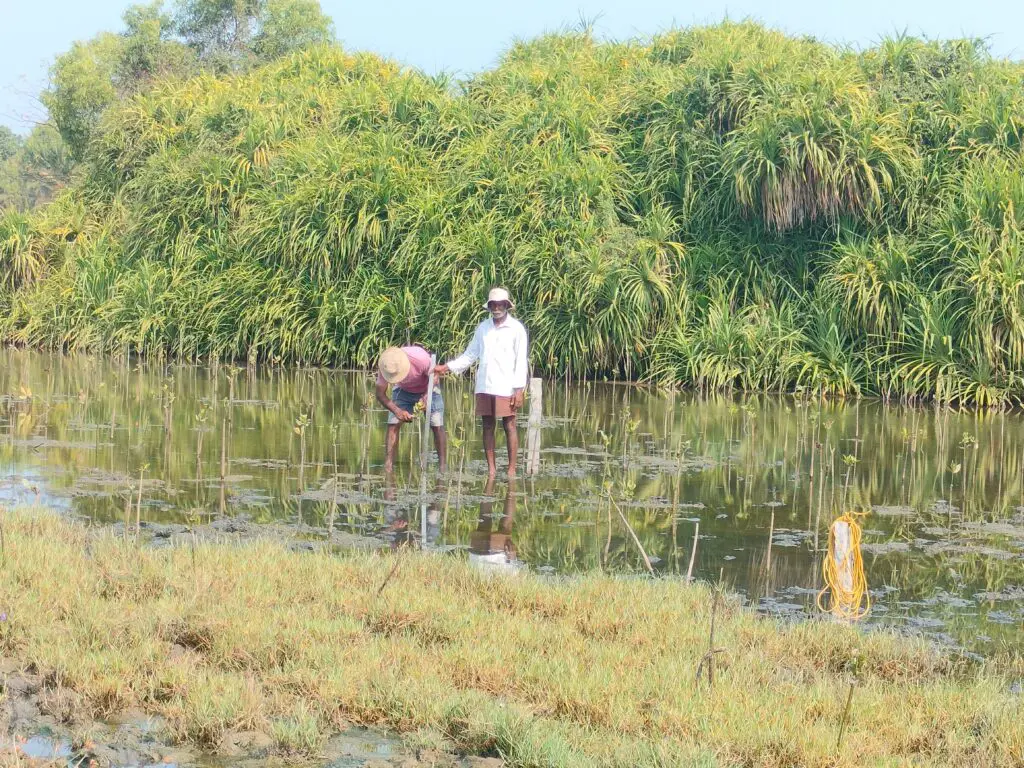
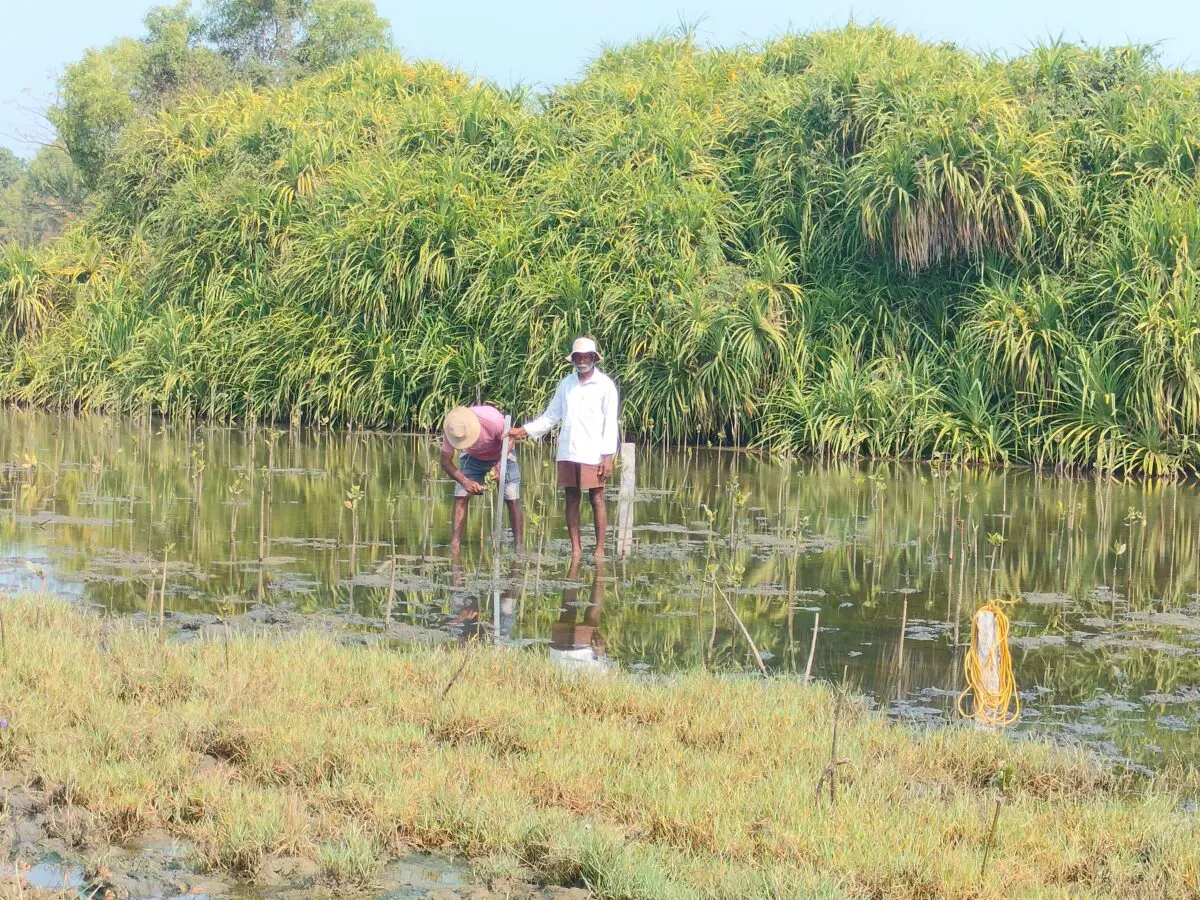
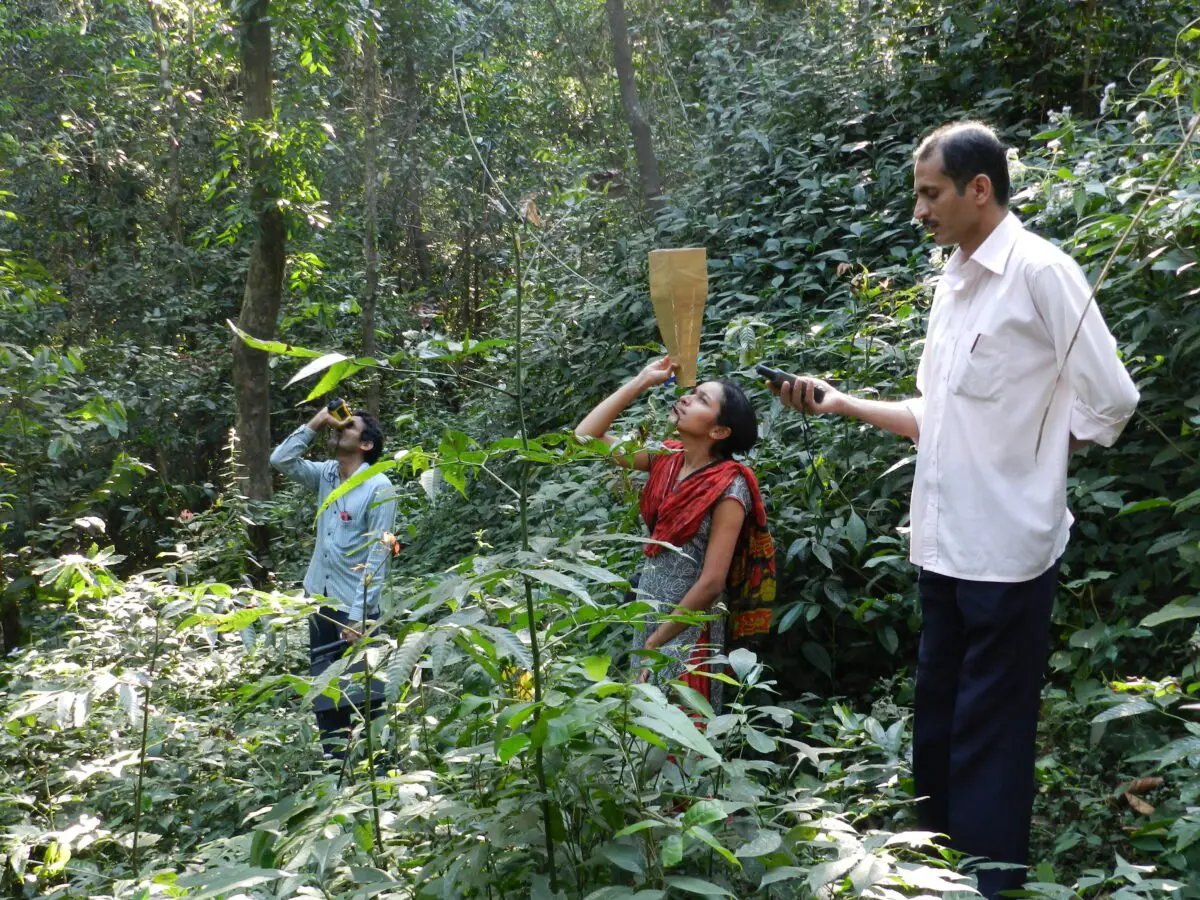
IFHD’s work on wetland conservation in Karnataka, blends scientific approaches with community-driven initiatives. Our efforts focus on ecological restoration and empowering local communities to become stewards of their environment. This includes replanting native mangrove species to rebuild degraded coastlines and strengthen natural defenses, partnering with local residents to promote sustainable practices and raise awareness in order to reduce pressure on natural resources as well as introducing alternative income sources like mangrove honey production and eco-tourism. Scientific monitoring is also a major part of IFHD’s implementation process which includes collaborating with experts to track the health of restored wetlands and improve conservation strategies.
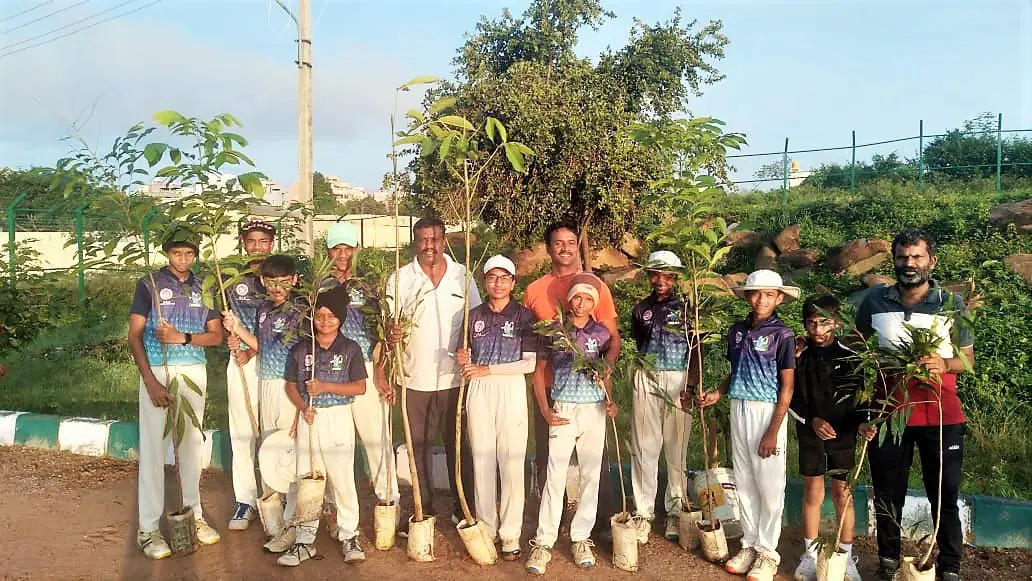
Urbanization need not necessarily lead to the destruction of natural plant and animal life if we build cities that protect habitats for biodiversity. Focusing on restoring urban wetlands, IFHD does lake rejuvenation in various parts of Bangalore following ecological principles. This involves a comprehensive approach, starting with a baseline study to assess the lake’s current condition and biodiversity. We undertake activities such as planting 200 trees of diverse species, diverting sewage lines to prevent contamination, and installing benches, providing solar lighting, and informative signboards to enhance the lake’s utility and beauty. Awareness programs and training sessions for youth and children further ensured that the lake’s restoration happened as a participatory process. We establish citizen support groups ensuring long term governance and security of the lake. The lakes have since become a haven for local and migratory birds, insects, and butterflies. Residents now have a rejuvenated space to relax and connect with nature, and the younger generation is learning the importance of biodiversity and ecological balance. As unprecedented changes in the climate continue to challenge our ecosystems and livelihoods , IFHD’s work done in Karnataka is more critical than ever.
Wetland restoration is key to protecting both nature and the people who depend on it. By combining science, traditional knowledge, and community action, IFHD is hoping to restore balance to our wetlands. Our work and engagement with communities living in and around wetlands reminds us all that wetland conservation is not just an environmental necessity, it’s a commitment to a sustainable future for generations to come.
Jacques Cousteau said, ‘We forget that the water cycle and the life cycle are one.” At IFHD, we hope to highlight the importance of wetlands through our work and bring about ground level actual changes in protecting these ecosystems.
Stay connected! Follow IFHD’s latest stories and podcasts and stay informed by subscribing to the monthly newsletter.
If you’re inspired by this guest blog, join the movement and sign up to RISE UP and be part of the push for bold ocean action!
This is a guest blog and may not necessarily represent the views of other RISE UP network members or RISE UP as a whole. It is only through open dialogue and a diversity of ideas that we will arrive at the solutions necessary to restore Ocean health.