
Vava’u Environmental Protection Association (VEPA) have been RISE UP network members since 2019 and are one of the original signees of the Blue Call to Action.
Founded in May 2009, Vava’u Environmental Protection Association (VEPA) is a community-driven, non-governmental organization based in Neiafu, within the northern Vava’u island group of Tonga.
VEPA has spent over 17 years working alongside local village councils and community leaders to conserve biodiversity and support sustainable livelihoods.
In this interview, RISE UP catch up with VEPA’s Director Karen Stone, who shares the vital work behind the scenes to secure the Mission Blue Hope Spot designation for the Tonga Trench and Whale Nursery, the profound ecological significance of Tonga’s deep ocean trenches and seamounts, and how local stewardship transforms global initiatives into meaningful, community-led protection on the ground.
© Vava’u Environmental Protection Association (VEPA)
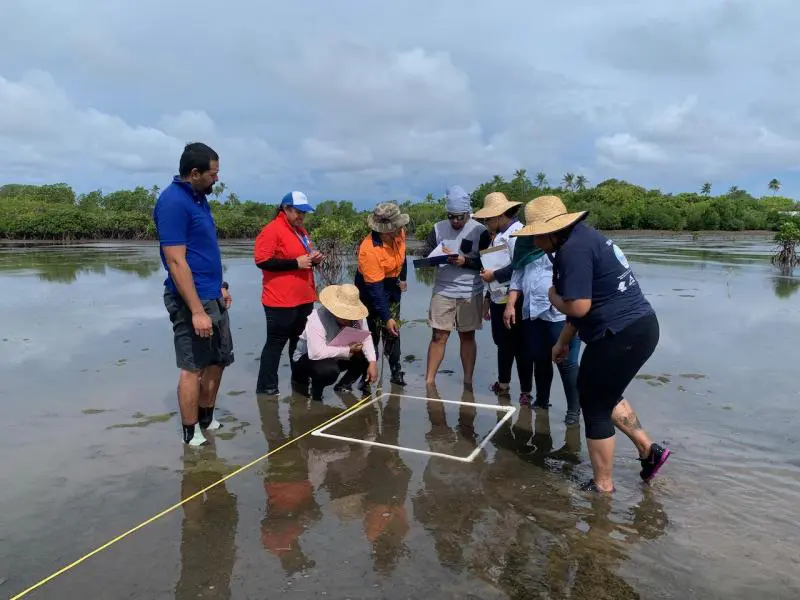
There is a lot of behind-the-scenes awareness and confidence-building for the VEPA and Tonga Voyaging Society (TVS) team to properly engage the Tongan Trench and Whale Nursery Hope Spot. We are actively training ambassadors on visual monitoring for whales, turtles and coral reefs and expanding the ambassadors to Ha’apai. We had a great community launch in July and a welcome to the whale ceremony with community and traditional vessels.
We have also conducted some programs with visiting tourists to make the most of stewardship and support for the community initiatives.
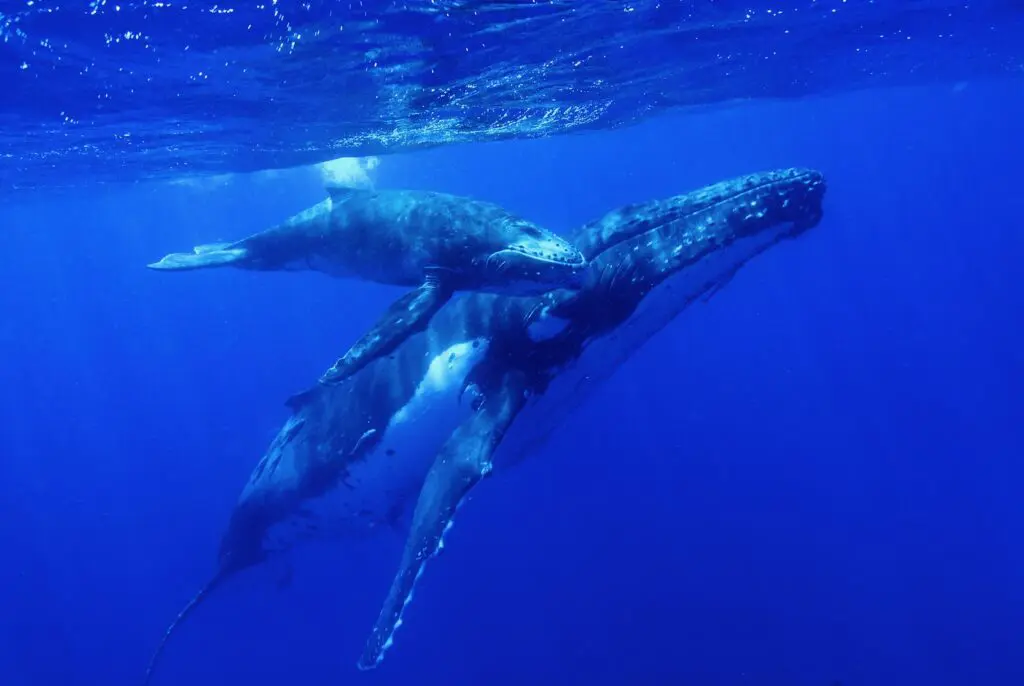
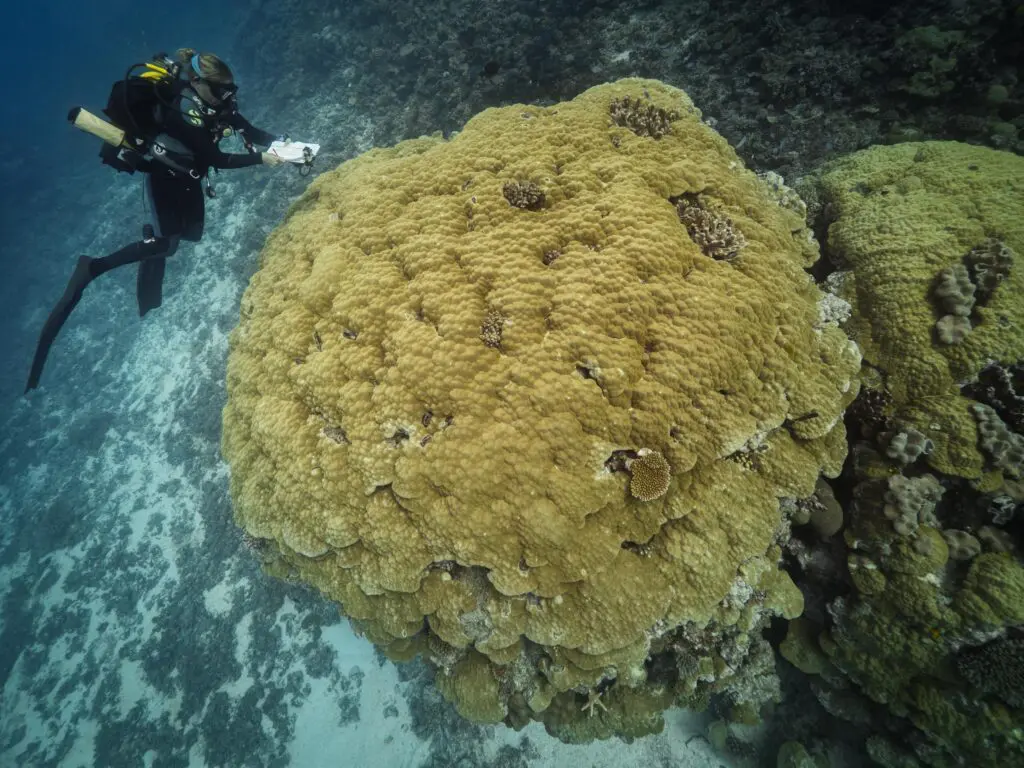
Tonga’s waters are ideal for many migratory species, with the Tongan trench to the East and deep oceanic waters all around. The shallow banks where the island archipelago sits bring the coral reefs, mangroves and seagrass habitats to host over a 1,000 species of fish and untold marine invertebrate diversity..
The deeper waters provide nutrient exchanges through upwellings and these are critical to the health of the near-shore marine species. Seamounts and hydrothermal vents are scattered along the Western side of Tonga in the Lau Basin, these seamounts are benthic organism heaven, though haven’t been studied enough. They also provide safe habitat for our nursing and calving female whales with science showing seamounts are a preferred habitat.
© Vava’u Environmental Protection Association (VEPA)
The Hope Spot itself doesn’t come with binding change, it aims to support and further the current commitment to the 30 x 30. Tonga has made great strides and currently awaits the regulatory framework for implementation.
However the Hope Spot provides the ground movement and support needed for the scattered communities to share their values, traditional knowledge and stewardship towards ocean management. The Hope Spot will also bridge science and data gaps to communities and ensure more sharing to increase ownership of these programs.
VEPA has been developing community stewards since 2020 and currently has 13 in Vava’u and 2 in Ha’apai. In October we will be visiting Ha’apai to increase ambassadors to 8 and have hands-on training for basic ocean and environmental monitoring.
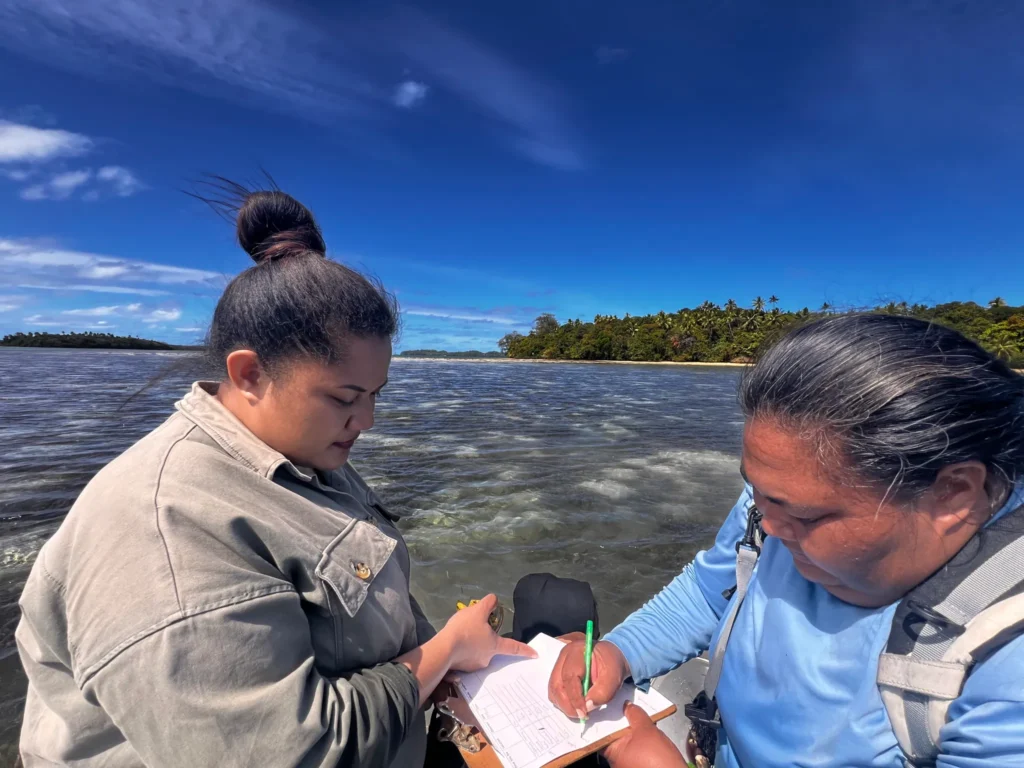
In Vava’u we have seen the ambassadors take charge of some of the issues their islands and communities face – they are creating their own plastic reduction programs, rescuing turtles, finding species that are new to them and species that worry them. One community regularly manages invasive algae to improve their fishing grounds.
The support for ambassadors is consistent and not project specific which I think gives a much more rounded approach to what’s needed on the ground.
© Vava’u Environmental Protection Association (VEPA)
I think a global agreement such as the BBNJ takes a while to trickle down to the community however, we are engaging communities through awareness but also through the sharing of data from our eDNA collections. The eDNA is allowing us to talk about broader species diversity than out visual surveys which opens up new discussions on the connection and importance of the deep and shallow waters.
Treaties often feel bigger than a community wants to know about but its very relevant for them to know and understand. Having some information portals that are easy to explore will be one step we make over the next few months.
Both of these achievements feed into the Tonga Ocean Management Act, which received Royal Assent in December 2025 and includes the nation’s goal of sustainably managing 100 percent of its ocean and protecting at least 30 percent by 2030. What else do you think needs to shift for that goal to be achieved?
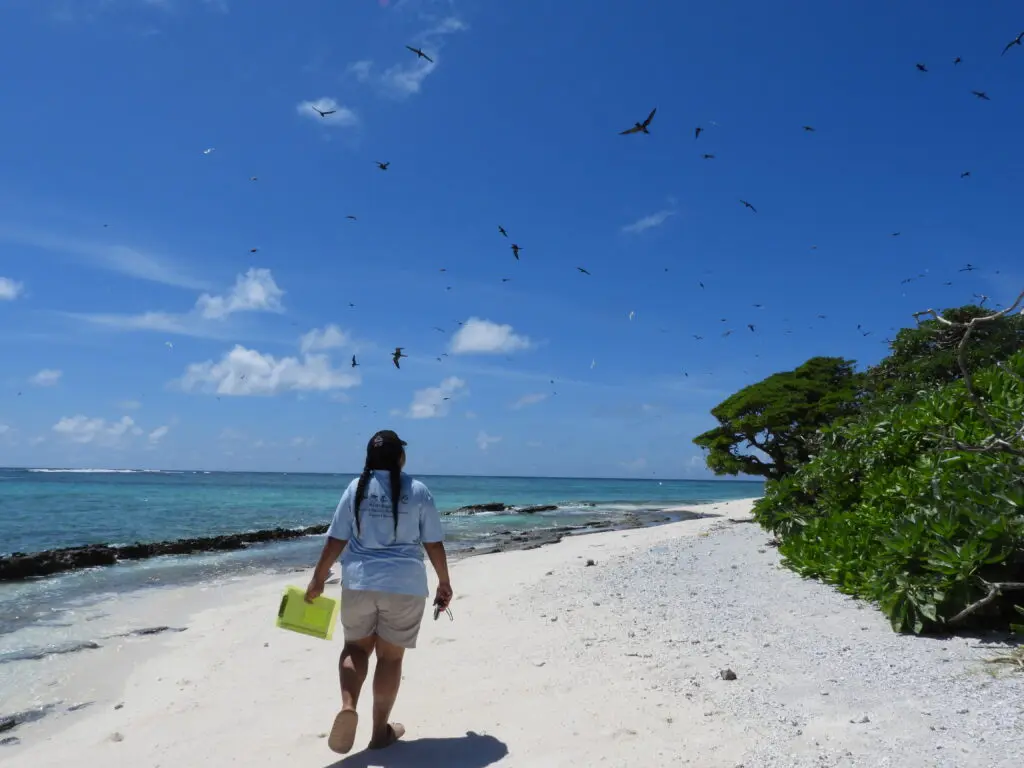
The regulatory framework and stand up of the governance mechanisms will see the “official” program of the 30 x 30 implemented but the real shift will come form the community engagement and ownership. The Government alone cant manage all the ocea area so expanding the ambassador programs and increasing sharing of knowledge and issues will go along way to the whole of ocean, whole of island approach we need,
The Hope Spot is a great tool to support and further the engagement locally but also internationally to overseas Tongans and diaspora.
© Vava’u Environmental Protection Association (VEPA)
Tonga’s approach has been successful but admittedly it’s taken a long time and a lot of energy to get it to where it is today. Tonga is shy to talk openly about their successes and ways that they have found that works. Finding the right platforms and engagement by stewards and community and not just leaders will help spread how indigenous ocean management has been affective but also identify some of the key challenges faced ahead. With climate change, geopolitics and threats of exploitation, information and process is moving faster than indigenous movements and this is something we need to be aware of and ensure we can support proper and manageable engagement.
Hopefully, in 5-10 years, we will have a full program of ambassadors trained as ocean wardens who not only monitor but actively manage and raise our next generations of ocean guardians. We hope for a healthy, productive and resilient ocean that became that way because of local ownership and engagement. Action starts the movement, but only people can carry the process when they feel fully respected.