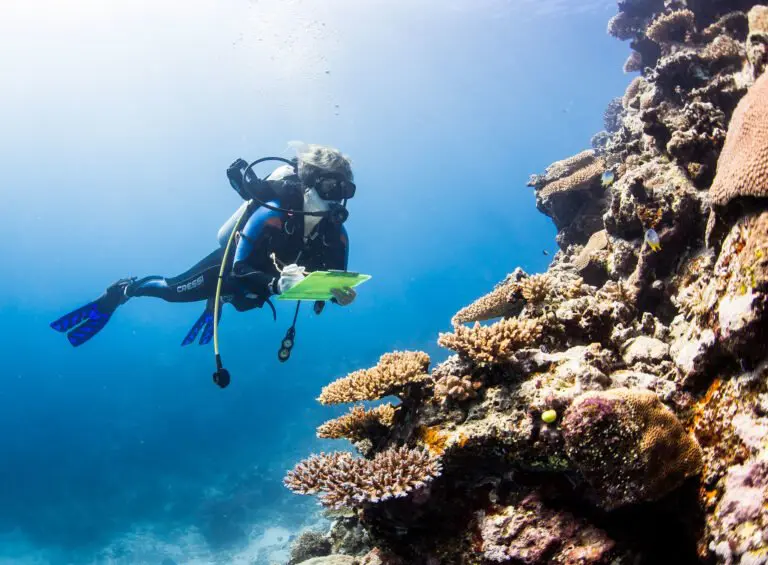
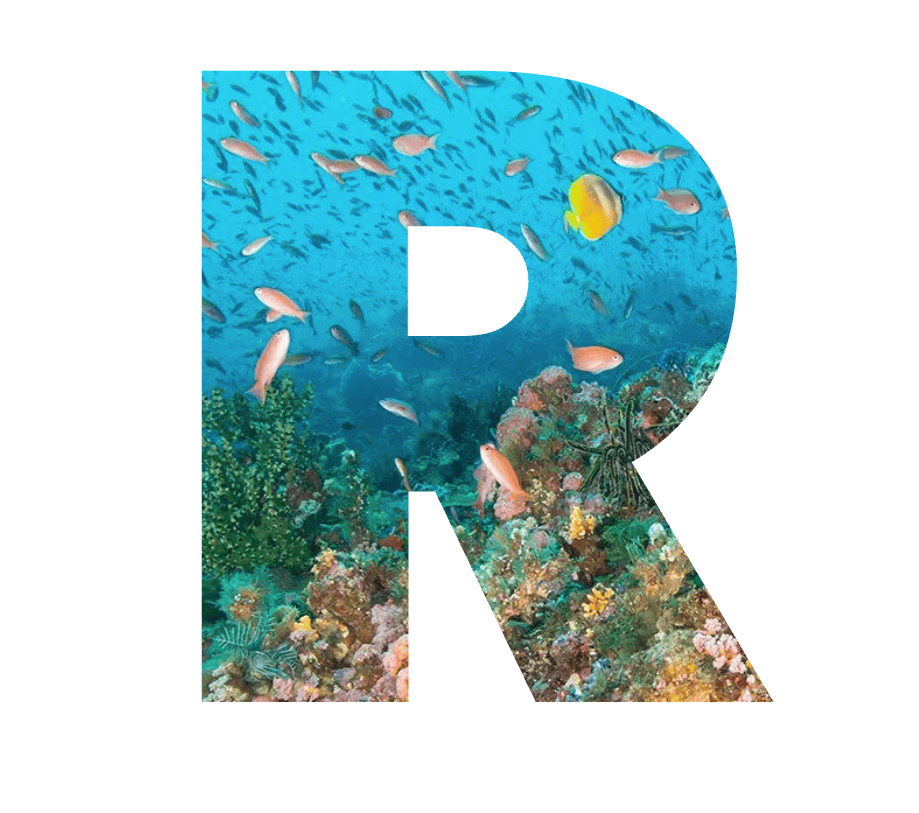
Urgently restore depleted fisheries and sensitive habitats (such as coral reefs), and protect threatened and endangered species.
Within territorial seas, prioritize access for sustainable small-scale fishing, prevent industrial threats, and recognize and promote community-based management.
Prohibit damaging fishing, such as destructive bottom-trawling and blast fishing, and promote gears and techniques that minimize the catch of non-target species.
Prohibit new or expanded exploitation of krill, mesopelagic and deep-sea species.
Ensure transparency in all fisheries through the collection and public disclosure of information such as registration, catch, vessel tracking, licensing and other data, to deter illegal and unreported fishing, prevent human rights abuses, improve decision-making and combat corruption.
Adopt registration, licensing and monitoring systems to address unregulated fisheries.
Immediately ban all new offshore oil and gas exploration and production, and rapidly phase out current offshore oil and gas extraction.
Target 100 percent decarbonization of all shipping by 2035, and immediately ban heavy fuel oil use in the Arctic.
Invest in nature-based solutions to maximize marine carbon sequestration and storage potential (e.g. protecting and restoring wetlands, mangroves and seagrass beds, and rebuilding wildlife).
Invest in low-impact ocean-based renewable energy sectors.
Commit to new and more ambitious national climate plans (NDCs) in 2020 that include the ocean (e.g. blue carbon storage, reduced emissions from ocean sectors, enhanced environmental and social resilience, adaptation benefits from ocean ecosystems), and accelerate their implementation.

Transition to a new, more sustainable and inclusive blue economy focused on: (i) low-impact offshore renewable energies; (ii) environmentally-friendly aquaculture and marine biotechnology; (iii) green shipping; (iv) ocean monitoring and surveillance technologies; and (v) sustainable fisheries.
Redirect finance flows to drive investment in support of this agenda, creating innovative finance and insurance products that enhance the ocean’s natural capital and resilience.
Immediately incorporate the ocean’s value into economic decision-making, through natural and social capital accounting and in cost-benefit analysis.
End all harmful exemptions and subsidies for fossil fuel, oil and gas drilling, and detrimental fishing and agricultural practices.
Eliminate all non-essential single use plastics and reduce plastic production by implementing zero-waste strategies by 2025.
Stop any further development of new activities which harm ocean health, such as seabed mining.