
On 10 December, during the United Nations Environment Assembly (UNEA), RISE UP member Campaign for Nature released a new report, developed with The Pew Charitable Trusts and Rainforest Foundation Norway. The report provides the most comprehensive snapshot yet of international funding for protected and conserved areas (PCAs)—a cornerstone of the global 30×30 target under the Kunming–Montreal Global Biodiversity Framework (GBF).
The findings bring both encouragement and caution. International funding for nature is growing, but it remains far from sufficient, particularly for the ocean and the communities that rely on it most.
The report, produced by Indufor North America, finds that funding to support nature protection in developing countries has increased 150% over the past decade, reaching just over USD 1 billion in 2024. While this growth is significant, it still falls short of global commitments. Developed countries remain roughly USD 4 billion short per year, meaning they are not providing enough to support developing countries in achieving GBF Target 3 (30×30).
Global costing studies suggest that to fully achieve 30×30, international PCA funding would need to grow by 33% per year, nearly three times faster than the 11% growth observed between 2020 and 2024. At the current pace, the funding gap will persist, leaving billions of hectares of critical ecosystems unprotected.
Funding is highly concentrated among a small group of donors, intermediaries and recipient organizations, mostly based in the Global North. These donors—such as Germany, the World Bank, the Global Environment Facility (GEF), the European Union, and the United States—provide over half of all tracked 30×30 finance. This concentration strongly influences which conservation priorities receive support and may limit flexibility to respond to local needs.
Transparency is uneven and data remain fragmented. Civil society emphasizes that funding decisions must be guided by locally defined conservation priorities, with local communities, including small-scale fishers and Indigenous Peoples, recognized as rights-holders and active governance partners, rather than treated as passive beneficiaries.
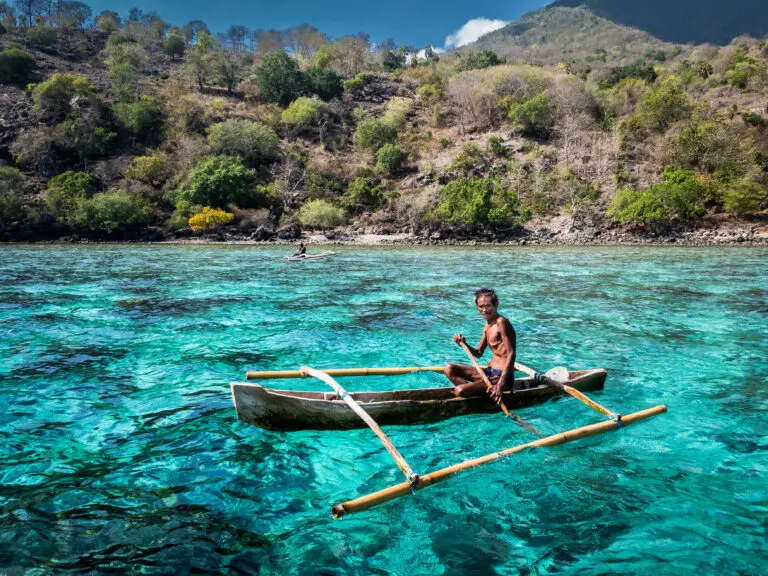
Without structural reform, 30×30 funding risks reinforcing ‘fortress-style’ conservation models, which prioritize rapid expansion of protected areas, especially in marine spaces, over community-managed or co-managed approaches. This can restrict customary fishing areas, sideline local governance and displace small-scale fishers, all while appearing to make progress toward global targets.
Expanding other effective area-based conservation measures (OECMs), including co-managed and Indigenous-led areas, is essential to achieve conservation goals without harming local communities.
The report highlights a persistent imbalance between terrestrial and marine conservation. As of 2024:
Funding mirrors this gap. Support for marine PCAs has been largely flat since 2014, accounting for just 14% of total international 30×30 finance, and even less when focused on small-scale fisheries.
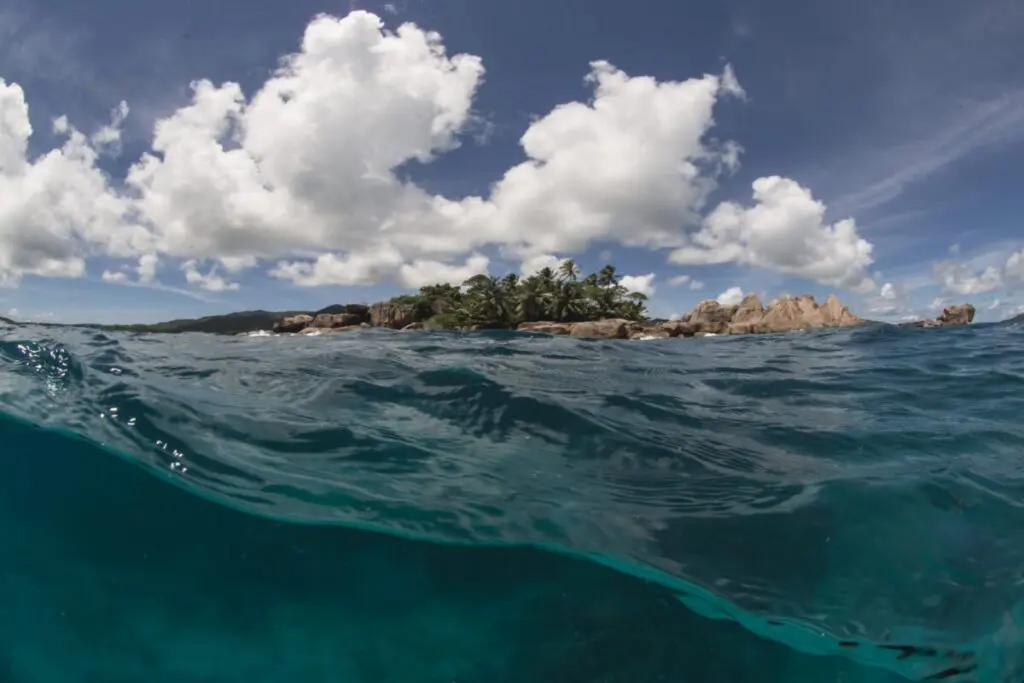
Without better-targeted marine funding, the ocean risks being left behind in the 30×30 effort. Scaling up finance is not just a technical or financial challenge, it is a political and justice challenge, particularly for Small Island Developing States (SIDS), which we prefer to call Big Ocean States (BOS). These nations may have small land areas but steward vast ocean territories, relying on healthy oceans for food, livelihoods, culture and climate resilience. Yet BOS receive only USD 48 million per year, about 4.5% of total international 30×30 funding.
While some low-income and least-developed countries are receiving increasing support, with Africa seeing the fastest growth, nearly 48% of all tracked PCA funding, many ocean-dependent regions, including BOS, remain severely underfunded. For communities on the frontlines of climate change, biodiversity loss and ocean degradation, this is not just a funding gap—it is a justice issue.
Alongside the report, Campaign for Nature launched the 30×30 Funding Dashboard, a public, interactive tool tracking international funding flows. It allows users to filter by year, geography, donor and ecosystem, distinguish between protected areas, OECMs, and Indigenous territories, compare marine vs. terrestrial funding and access project-level data.
Delivering 30×30 will require:
The State of International 30×30 Funding Report and the 30×30 Funding Dashboard are essential tools for transparency and accountability. They help highlight where funding is working—and where it is not—so governments, donors and civil society can take informed action to ensure the promise of 30×30 is fulfilled.
We encourage readers to consult the full report and explore the dashboard to understand funding flows, identify gaps and support equitable conservation for people, nature and the ocean.