
The year 2025 has marked a turning point for global ocean protection. Both the High Seas Treaty and the WTO Fisheries Subsidies Agreement have now reached the ratifications required to enter into force. Yet even as these milestones are celebrated, fragile deep-sea ecosystems remain under severe threat. Destructive fishing practices such as bottom trawling continue to devastate deep-sea habitats, while deep-sea mining looms on the horizon, threatening to open a new frontier of harm.
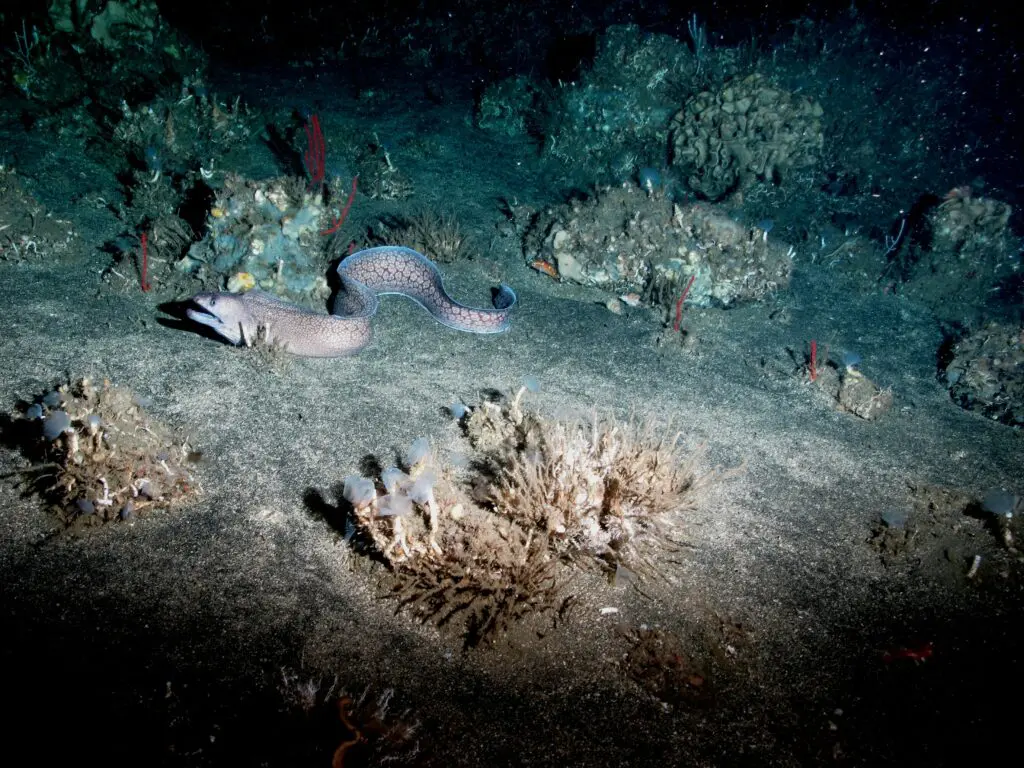
When we take a dive to the deep, the ecosystems that exist there – seamounts (underwater mountains rising 1000m above the ocean floor), cold-water corals (similar to tropical reefs but found at 200-1000 meters deep) and hydrothermal vents (openings in the seafloor 200-4000m deep) – are among the most biodiverse and least understood ecosystems on Earth. Yet they regulate our climate, support fisheries and hold genetic resources with untapped potential for medicine and biotechnology, and are a vital piece in the global ocean system that sustains us all.
At the upcoming IUCN World Conservation Congress (WCC) in Abu Dhabi, beginning on 9 October 2025, one proposal—Motion 32—offers a critical chance to safeguard these deep-ocean habitats.

The World Conservation Congress, organized every four years by the International Union for Conservation of Nature (IUCN), is one of the world’s most influential gatherings for nature and people. It brings together governments, Indigenous Peoples, NGOs, scientists, and businesses to set global priorities for conservation and sustainable development.
The Congress includes:
These motions—when adopted—become IUCN Resolutions or Recommendations, guiding environmental action and influencing international agreements and national policies. The equal voting rights shared by governments and civil society give IUCN’s decisions exceptional legitimacy in shaping the global conservation agenda.
Motion 32 is focused on the protection of seamounts and other vulnerable marine ecosystems (VMEs), like cold water corals and hydrothermal vents, from destructive human activities.
It builds on a landmark resolution adopted at the 2004 WCC in Bangkok, which first called for such protection. Despite years of UN General Assembly commitments, including the Sustainable Fisheries resolution in 2022, bottom trawling continues to destroy deep-sea habitats across International waters. Motion 32 seeks to finally close this gap by calling on all States to end bottom trawling in areas beyond national jurisdiction by 2026.
In addition to bottom trawling, deep-sea mining poses an emerging and potentially irreversible threat to deep-ocean ecosystems. Like trawling, it disturbs fragile habitats, releases stored carbon and endangers species that take centuries (or more) to recover. Motion 32 aligns closely with growing International momentum to prevent deep-sea mining until its impacts are fully understood.
If adopted, Motion 32 would represent a decisive step toward implementing the goals of the Global Biodiversity Framework, including protecting 30% of the ocean by 2030. It would also send a powerful signal that the global community is ready to act on science-based, time-bound commitments for deep-sea protection.
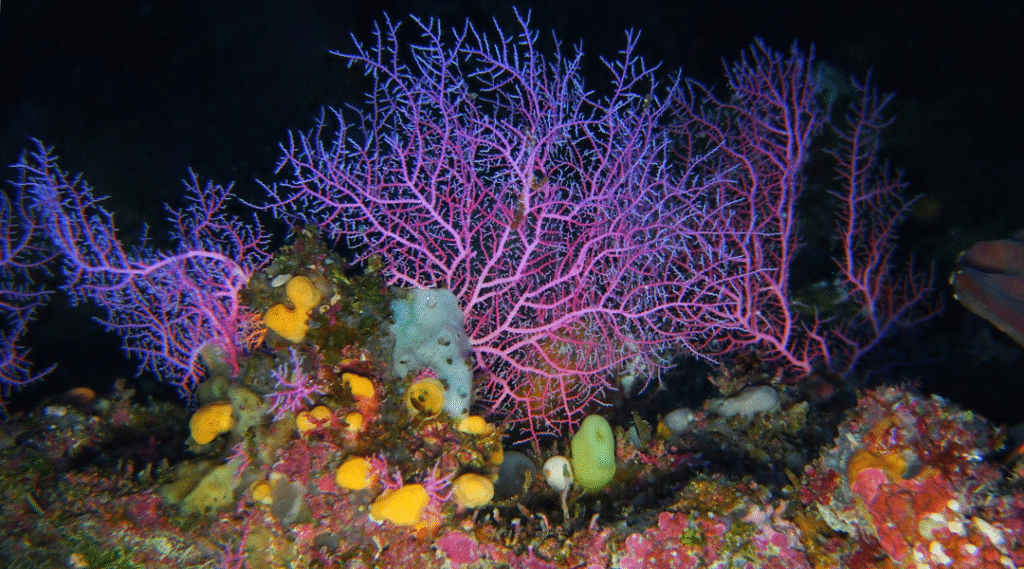
There are already examples of bold action. In 2015, Chile became the first country to ban bottom trawling on all seamounts within its waters, protecting over 68,000 square kilometers of habitat. This achievement followed years of advocacy and research showing the extraordinary biodiversity of Chile’s underwater landscapes. Chile’s leadership demonstrates that with political will and scientific guidance, destructive practices can be stopped – and ecosystems can recover. Motion 32 aims to take this success global.
Building on a 2004 IUCN resolution, Motion 32 calls for an end to bottom trawling on seamounts beyond national jurisdiction by the end of 2026. Adopted with overwhelming support – 95% of governments and 99% of NGOs and Indigenous organizations, it sends a clear signal that global consensus is building for decisive deep-sea protection.
This action supports the Global Biodiversity Framework’s goal to protect 30% of the ocean by 2030 and strengthens the implementation of the High Seas Treaty, moving from commitments to concrete action.

Motion 32’s success reflects a wider shift. The High Seas Treaty is moving toward its first marine protected areas in hotspots like the Salas y Gómez Ridge and the Sargasso Sea. Civil society campaigns such as Make Fishing Fair are pushing governments to end harmful subsidies and empower small-scale fishers. Together, these efforts show that protecting the deep sea isn’t a niche issue, it’s central to a healthy, resilient planet.
Through RISE UP, community voices are being connected to these global governance spaces, ensuring that deep-sea protection reflects justice, equity and lived experience. By amplifying those working closest to the ocean, we can help turn resolutions like Motion 32 into lasting, real-world change.
The question is no longer whether we can protect the deep sea but whether we will act in time.