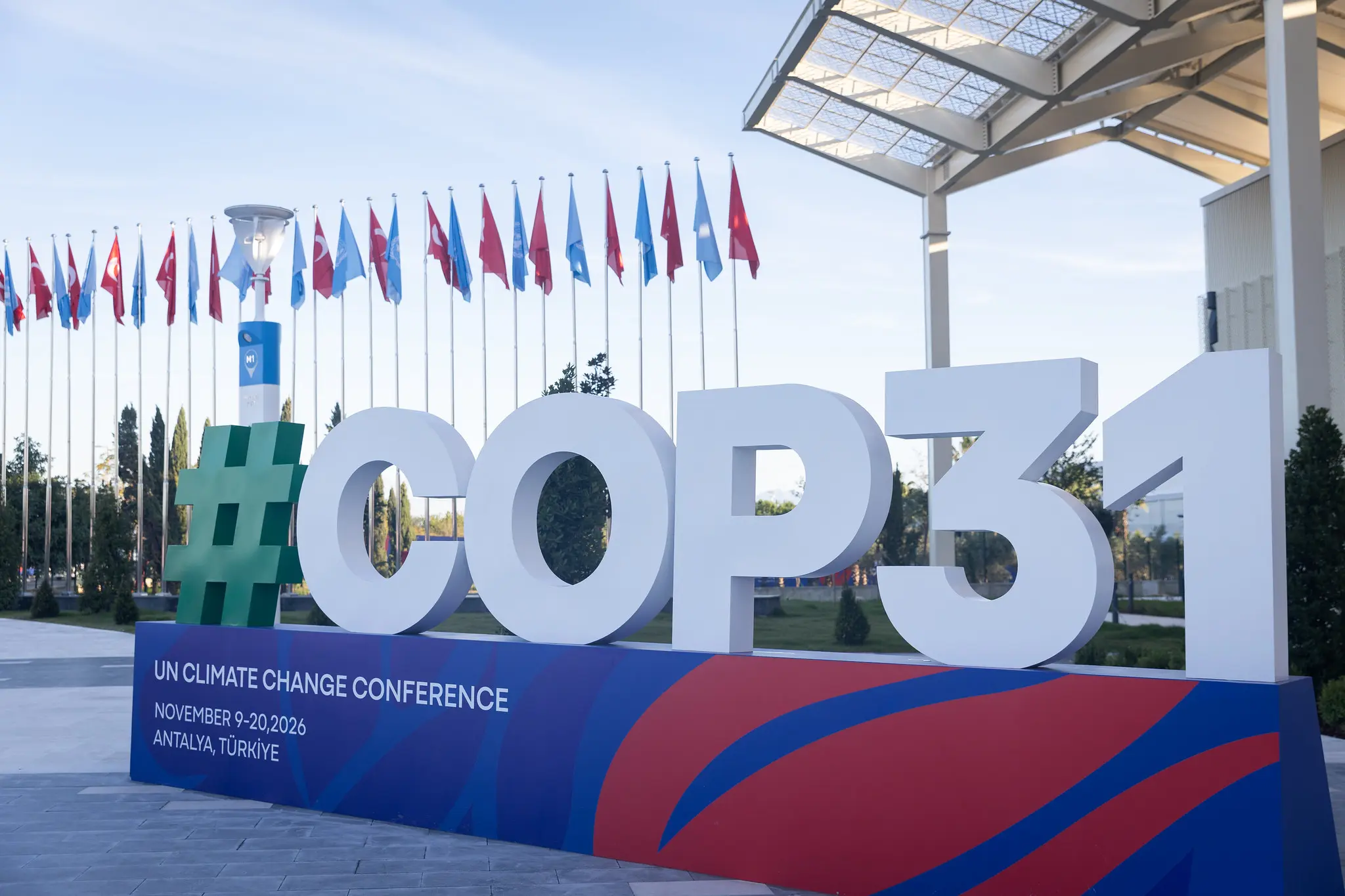

Antalya, Türkiye | 9–22 November 2026
COP31 ended without consensus on the proposed Antalya Pact, after negotiations ran almost two days beyond their scheduled conclusion. The main disagreement centred on whether the final text should include a commitment to transition away from fossil fuels, alongside wider divisions over climate finance and the direction of global climate action.
The failure to reach an agreement does not mean there was no ambition for stronger action. Many countries considered the proposed text too weak, while around 130 parties supported an explicit call for a transition away from fossil fuels. This shows that significant support for stronger commitments remains, even when governments fail to reach consensus.
Reflecting on the breakdown, UN Climate Change Executive Secretary Simon Stiell said lessons must be learned from the process. He stressed that negotiations belong to all parties and that consensus works best from the ground up, while highlighting the need to improve and modernize the process. For RISE UP, this reinforces the importance of meaningful participation by civil society and frontline communities in shaping international climate decisions.
For the ocean, the outcome was also significant. Despite its visibility throughout the conference, Fiji’s call for a standalone ocean decision went unanswered. Provisions intended to strengthen the ocean’s role in climate action were also lost with the wider proposed agreement. The ocean gained visibility in discussions and initiatives, but this did not translate into the stronger political recognition many countries and communities had called for.
This was the central contradiction of COP31: while governments struggled to agree on the political direction needed to address the climate crisis, efforts to advance ocean and climate action continued beyond the negotiating rooms.
Governments, organizations and communities continued moving this work forward through national initiatives, partnerships and community-led efforts. RISE UP helped connect these developments with the priorities of coastal communities, small-scale fishers, Indigenous Peoples, women and young people, bringing their perspectives into international discussions and highlighting the work already happening on the ground.
These developments matter, but announcements are not the same as implementation. The question after Antalya is whether commitments will be funded, delivered and shaped by the people and places they are meant to benefit.

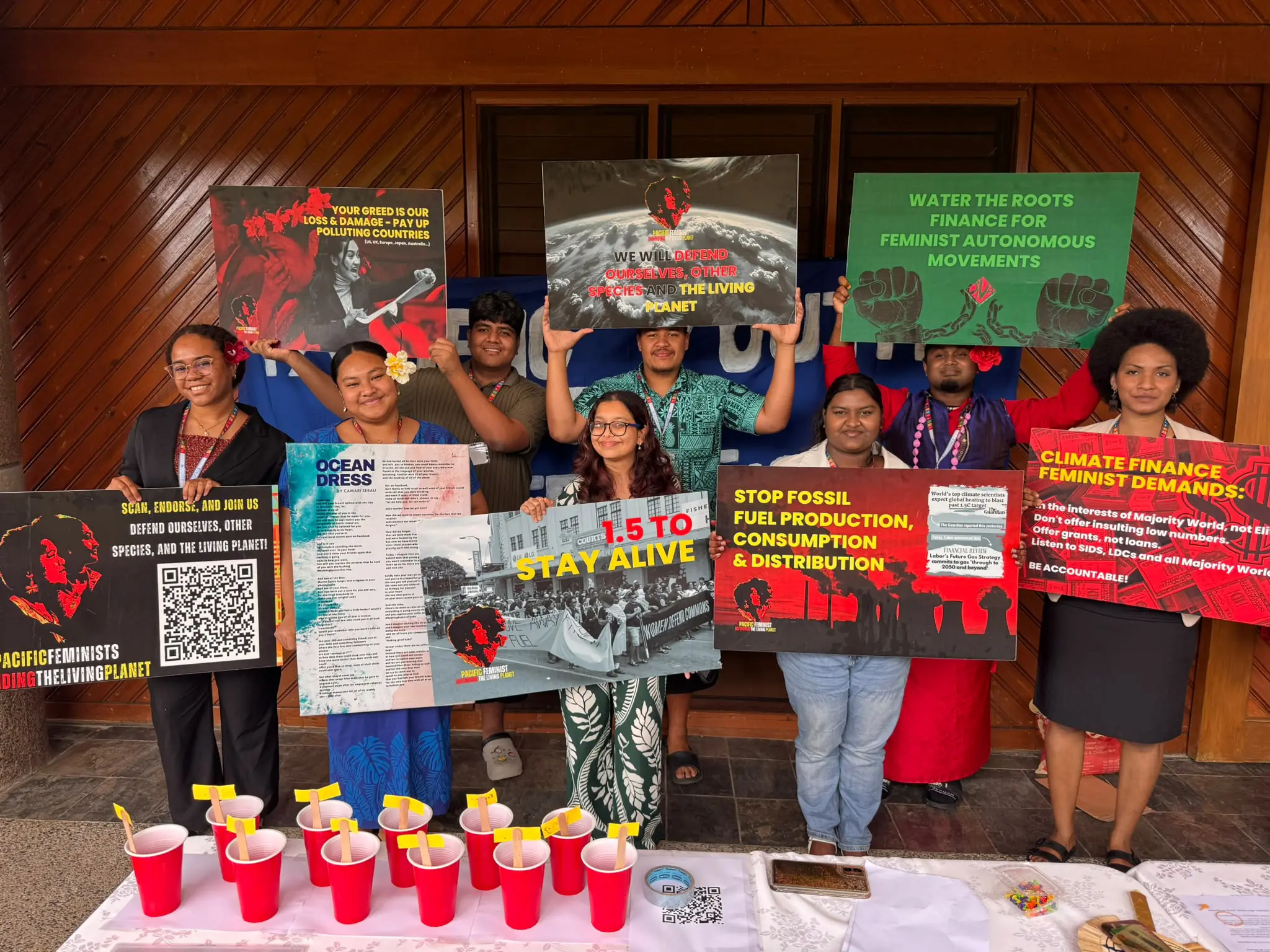
RISE UP fellows
The ocean featured prominently in the Turkish Presidency’s Action Agenda, which included work on blue carbon, coastal resilience, ocean observation, coastal communities and international cooperation. Ocean Day, held on 17 November under the theme Ocean, Seas, Nature and Land Use, provided another opportunity to highlight the links between ocean health, climate resilience and sustainable development.
Yet the push for stronger political recognition of the ocean within the UNFCCC did not translate into an agreed outcome. The proposed Antalya Pact, which included provisions intended to advance ocean-related work, was not adopted.
This leaves an important gap. The ocean is central to the climate system: it absorbs heat and carbon dioxide, regulates weather patterns and supports the livelihoods, food security and cultures of millions of people. Yet ocean issues continue to be addressed across separate policy areas, including climate, biodiversity, fisheries and shipping, rather than through a more coherent approach that recognizes these connections.
There are, however, initiatives that can help maintain momentum. The Antalya Ocean and Seas Compact, launched separately under the Presidency’s Action Agenda, aims to accelerate ocean-based climate action through stronger partnerships and improved access to finance. It also encourages countries to better integrate ocean-related mitigation, adaptation and resilience into their national climate plans and adaptation strategies.
Alongside this, the draft Antalya Pact included two proposals specifically aimed at advancing the ocean’s place in the UNFCCC process. The proposed Antalya Ocean Current, a multi-year plan to provide continuity between the Ocean and Climate Change Dialogues, and the Blue İmece Synthesis Report, intended to bring together countries’ climate policy submissions, scientific evidence and progress on ocean-based climate action ahead of the second Global Stocktake in 2028. However, as the proposed Pact was not adopted, neither initiative received formal agreement through this process.
The existing Ocean and Climate Change Dialogue remains an important space for countries and observers to advance these discussions. The challenge now is to maintain momentum and build support for more consistent recognition of ocean priorities in climate negotiations, national climate plans and implementation.
The wider negotiations exposed an even deeper divide over fossil fuels. The failure to agree on a stronger commitment to transition away from fossil fuels was not simply another negotiating disagreement. It goes to the heart of whether climate action is addressing the causes of ocean warming, acidification and sea-level rise. Continued fossil fuel production and use drive the emissions responsible for these impacts, placing additional pressure on marine ecosystems, coastal communities and small island states. For people whose livelihoods depend directly on healthy marine environments, these are not distant or abstract risks. They are already shaping lives and livelihoods.
While negotiations struggled to reach agreement, work to advance ocean and climate action continued through initiatives, partnerships and practical efforts to support implementation.
RISE UP engaged in Solution & Delivery Activation Group 7 (AG7) under the UNFCCC Global Climate Action Agenda, working alongside the Climate High-Level Champions to support implementation of the Ocean Breakthroughs’ Blue Package. This work helps connect the commitments and solutions identified through the Ocean Breakthroughs with the organizations and initiatives working to put them into practice.
The Blue NDC Challenge Implementation Taskforce, co-chaired by Brazil and France, was launched at COP31 with an initial group of 25 implementation partners. It aims to help countries translate ocean-related measures in their Nationally Determined Contributions (NDCs) into practical action. This includes addressing common barriers such as limited access to finance and technical assistance and weak coordination across government ministries.
The challenge is significant: including ocean priorities in national climate plans is only the beginning. Countries also need the resources, technical assistance and coordination to put these commitments into practice. The taskforce is intended to help bridge that gap, although its impact will ultimately depend on whether support reaches countries and translates into action on the ground.
Coral reef protection also received attention. Six countries – Colombia, Niue, Haiti, Jamaica, Samoa and Tuvalu – joined the High-Level Climate-Resilient Coral Reefs Commitment at COP31. This brought the coalition to 30 signatories: 29 countries and one French overseas territory, alongside more than 50 supporting organizations. The commitment calls for science-led coral reef protection, stronger integration into national climate and biodiversity plans, increased finance and monitoring and solutions grounded in local stewardship.
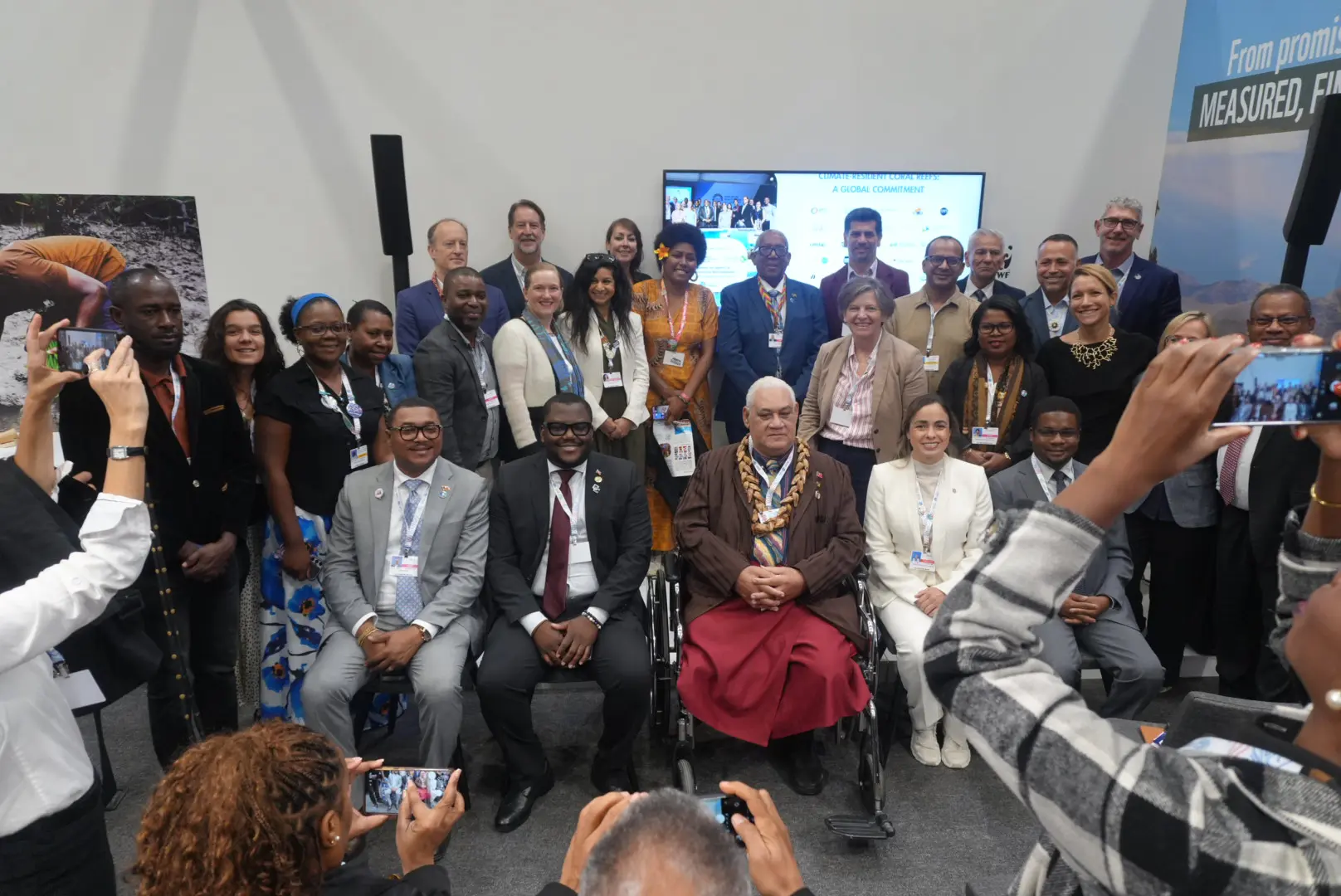
RISE UP is a supporting organization of the High-Level Climate-Resilient Coral Reefs Commitment, which welcomed six new countries at COP31
The Global Fund for Coral Reefs also announced more than US$30 million in new investments and donor contributions to support reef protection across 22 countries. This included funding intended to support frontline implementers and country-level financing mechanisms. These developments are important, but their success will depend on whether finance reaches the countries, organizations and coastal communities working to protect these ecosystems.
Across COP31, RISE UP focused on making sure the experiences of coastal communities, small-scale fishers, Indigenous Peoples, women and young people were part of discussions about ocean and climate policy.
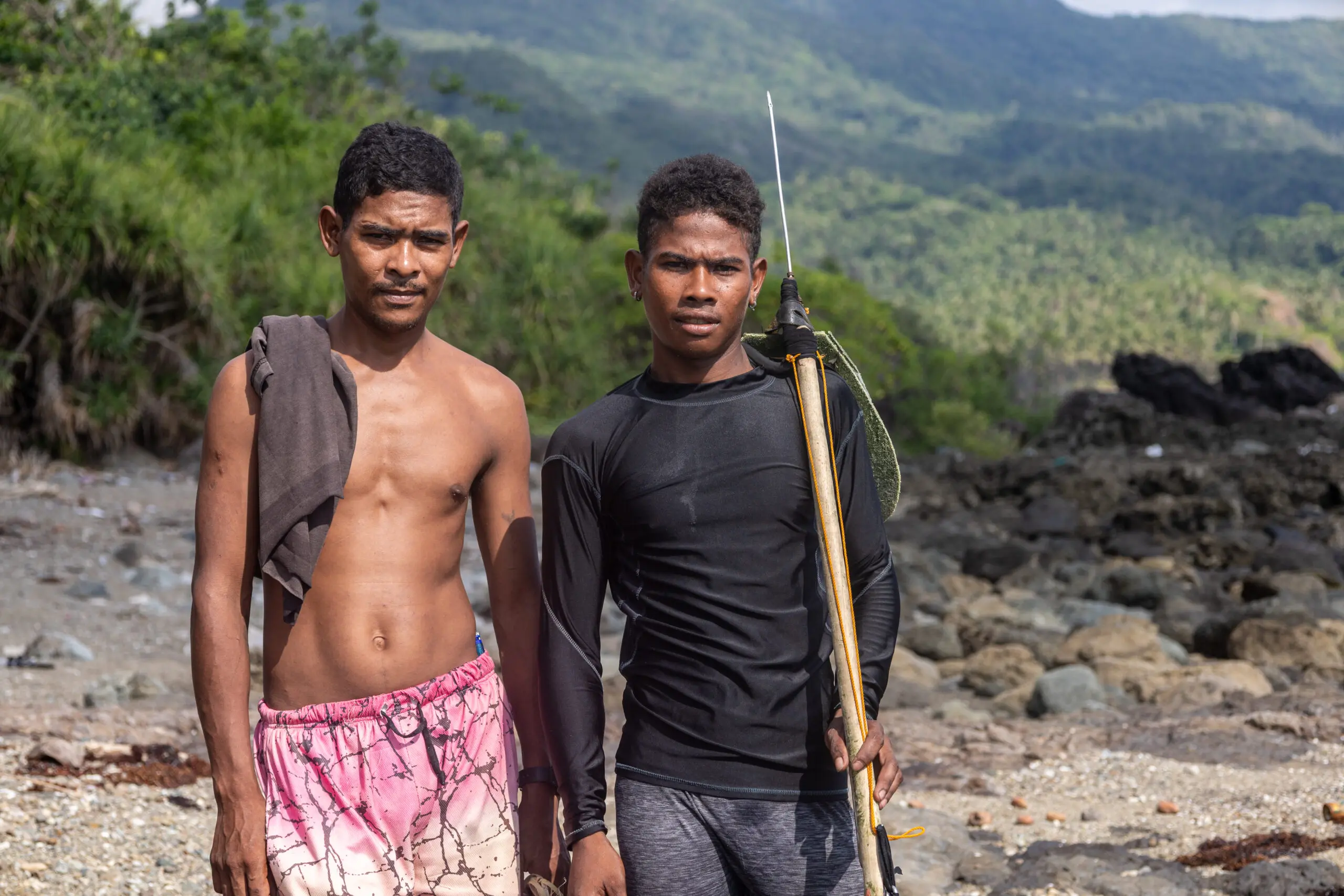
Small-scale fishers are among those experiencing the effects of changing marine ecosystems, extreme weather and pressure on fisheries. Their contribution to food security, local economies and marine stewardship is still not adequately reflected in many policy and finance decisions.
During COP31, RISE UP co-hosted a press conference organized with Movilizatorio, AWFISHNET and Connected Advocacy for Empowerment and Youth Development Initiative, bringing attention to the priorities of small-scale fishing communities and the role of women in the sector.

Press conference held at COP31 in collaboration with Movilizatorio, AWFISHNET and Connected Advocacy for Empowerment and Youth Development Initiative, highlighting the priorities of small-scale fishing communities and the role of women in fisheries.
Women are central to small-scale fisheries, from harvesting and processing to trading, managing resources and sustaining local food systems. Yet their work is often overlooked in policy and funding decisions. Recognizing their contribution requires more than acknowledging the work they do. It means ensuring meaningful participation in decisions and access to the resources needed to strengthen their livelihoods.
Indigenous Peoples also called for their rights, knowledge and leadership to be recognized in ocean and climate decision-making. RISE UP’s Secretariat attended a session on Indigenous Peoples’ participation in the implementation of the BBNJ Agreement, where representation, traditional knowledge and access to decision-making were among the issues addressed. The session, organized by the International Indian Treaty Council and partners, explored how COP31 priorities connect with the implementation of the BBNJ Agreement.
“One important step is to establish an Indigenous Peoples advisory mechanism under the BBNJ Agreement, allowing Indigenous representatives to contribute to the co-creation of knowledge and influence decision-making.”
Ghazali Ohorella, Indigenous diplomat for the Alifuru people of Maluku, contributed to these discussions.
As the Agreement moves into implementation, its effectiveness will depend in part on whether Indigenous Peoples can meaningfully shape decisions affecting their territories, knowledge and relationship with the ocean.
RISE UP Fellows brought these priorities into different conversations throughout the conference. Prince Israel Orekha highlighted the need for climate finance to reach grassroots organizations and frontline communities. Rabeb Aloui brought attention to gender justice and women’s leadership. Edgard Rodrigue Mvondo spoke to the importance of Indigenous knowledge and traditional practices in Cameroon, while Ibiso Ikiroma-Owiye emphasized the need for young people to have access to the resources and policy spaces required to influence ocean decisions.
Their contributions reflected a shared concern: climate action cannot be designed only in negotiation rooms or financial institutions. It must also be shaped by the people experiencing its consequences and developing solutions in their communities.
These perspectives also reached wider audiences through African media coverage (Vanguard Nigeria, Environment Africa Magazine, Africa News Analysis and Uhuru Times) during COP31, helping bring attention to the priorities of coastal and fishing communities that are often missing from international climate discussions.
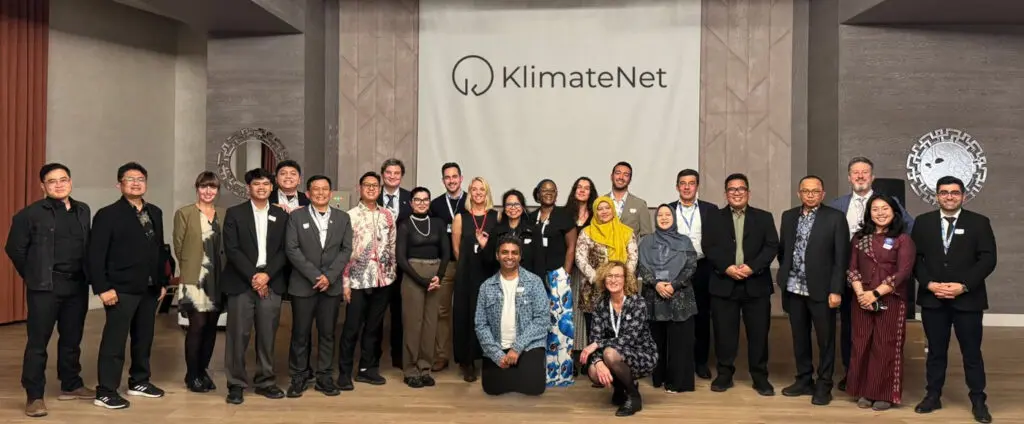
Blue Carbon private screening powered by KlimateNet
RISE UP members also shared practical examples of ocean action. KlimateNet hosted a screening of Blue Carbon: Nature’s Hidden Power, highlighting the Coral Garden reef restoration project in Raja Ampat and initiatives engaging local children in marine conservation. The event featured contributions from Zafer Kızılkaya of the Mediterranean Conservation Society and Caterina Pasaribu of the Raja Ampat SEA Centre Foundation, followed by remarks from Dr. Hendra Yusran Siry, Ministerial Advisor to Indonesia’s Ministry of Marine Affairs and Fisheries, on behalf of the Minister.
For RISE UP, the side event Beyond Blue Carbon: Integrating the Ocean into Caribbean Climate Ambition and Action, organized with EcoVybz Environmental Creatives at the CARICOM Pavilion on 17 November, was an opportunity to bring Caribbean priorities into the COP31 conversation.
The discussion explored how Caribbean countries can integrate the ocean more fully into their NDCs and National Adaptation Plans, moving beyond a narrow focus on blue carbon. Topics included adaptation and mitigation, coastal resilience, energy transitions, food security, livelihoods and the role of the ocean in the region’s economies and cultural identity.
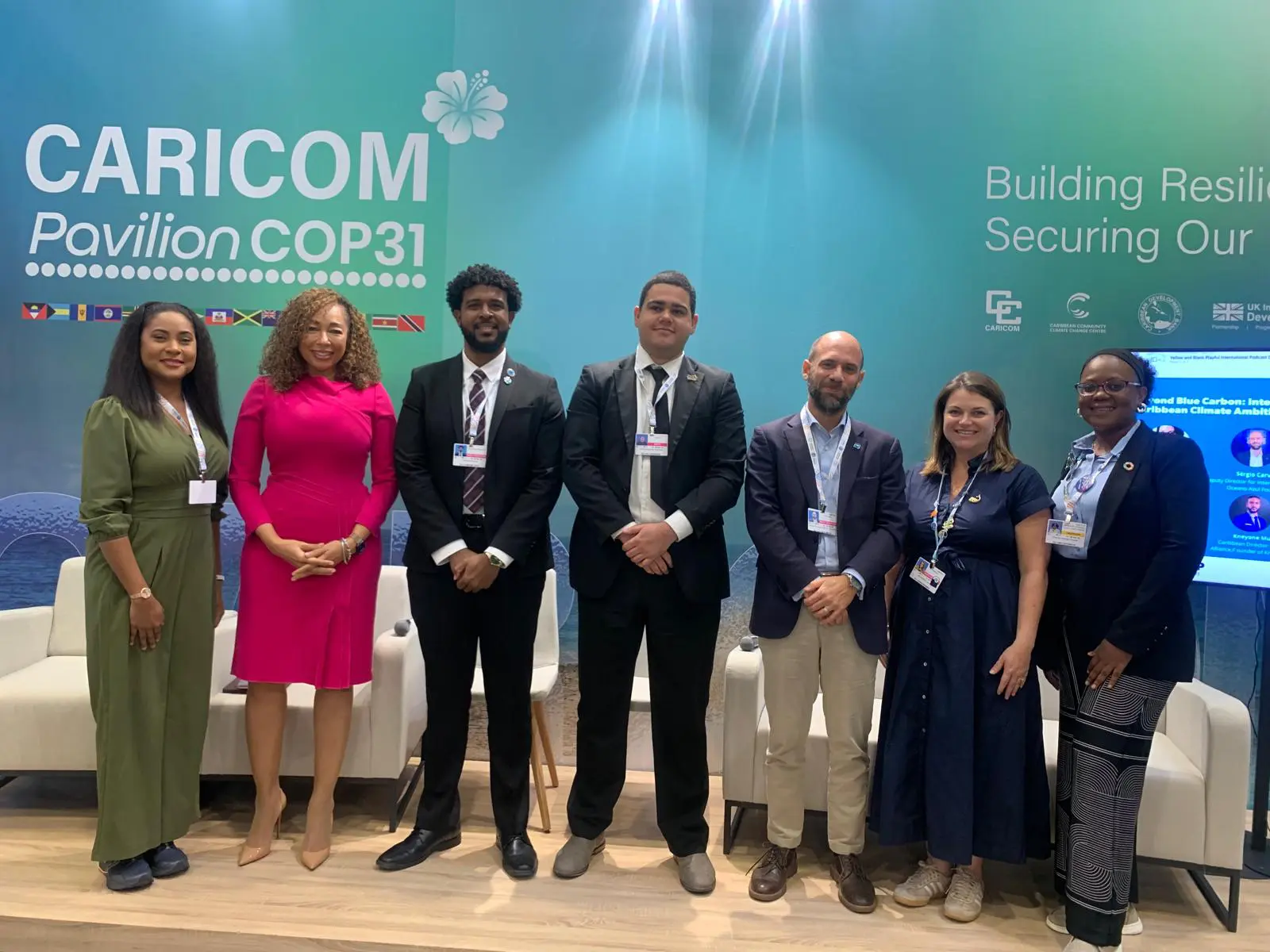
Beyond Blue Carbon: Integrating the Ocean into Caribbean Climate Ambition and Action
Mangroves and other blue carbon ecosystems are important, but they are only part of the picture. Fisheries, coastal infrastructure, marine ecosystems, renewable energy and the communities that depend on them also need to be reflected in national climate plans.
The discussion highlighted the importance of regional cooperation and stronger connections between policy ambition and the knowledge of people working across the Caribbean. It also raised the opportunity for more countries in the region to join the Blue NDC Challenge. At the time of COP31, Barbados was the only Caribbean country to have joined the initiative.
COP31 ended without an overarching agreement, without a stronger commitment to transition away from fossil fuels and without the standalone ocean decision. The outcome exposed two connected gaps: the lack of political agreement on the action needed to address the causes of climate change, and the limited political recognition of ocean issues within the UNFCCC.
Finance discussions exposed another gap. Investment opportunities and funding announcements are important, but mobilizing capital does not automatically mean that resources reach frontline countries, grassroots organizations, small-scale fishers or coastal communities. For those already facing rising seas, extreme weather, food insecurity and the loss of livelihoods, accessible finance and meaningful participation are essential.
For RISE UP and its network of more than 790 organizations across 96 countries, the priorities remain clear: climate finance must reach frontline and grassroots communities; countries need stronger ocean commitments in their NDCs; the transition away from offshore fossil fuels must accelerate; gender justice and meaningful participation must be part of climate action; and international agreements must lead to results locally.
COP32 in Ethiopia must be more than another gathering where governments repeat familiar promises. It should be a chance to show what has changed since Antalya: whether climate finance is reaching the people who need it, whether countries are raising their ambition and whether communities are seeing the benefits of decisions made in their name.
Ultimately, progress will not be measured by what makes it into the final text, but by what happens when people return home, to their coastlines, their fishing grounds and the places they are working to protect.