
By RISE UP
The 2025 UN Ocean Conference (UNOC3) was a breakthrough moment for community-led ocean action. From the streets of Nice to packed rooms in the Blue Zone, Indigenous leaders, small-scale fishers and frontline communities brought powerful energy, solutions and shared demands. Their voices were not just present, they were central. This growing movement helped shape a more just and inclusive vision for our ocean’s future.
But progress didn’t come easily. Despite the momentum, many community representatives faced real hurdles just to participate. RISE UP received reports of visa delays and denials from the Pacific, India, and the Caribbean, some affecting Blue Pass holders. Short notice from conference organizers also led to confusion and exclusion.Still, there were important wins: 40 small-scale fisher (SSF) representatives were accredited to the Blue Zone, a significant step from UNOC2 in Lisbon. Their calls for fairness, respect, and real inclusion were louder than ever.
UNOC3 sent a clear message: if we want the ocean to thrive, we must break down the barriers keeping people out and put those who depend on the ocean at the heart of the decision-making.
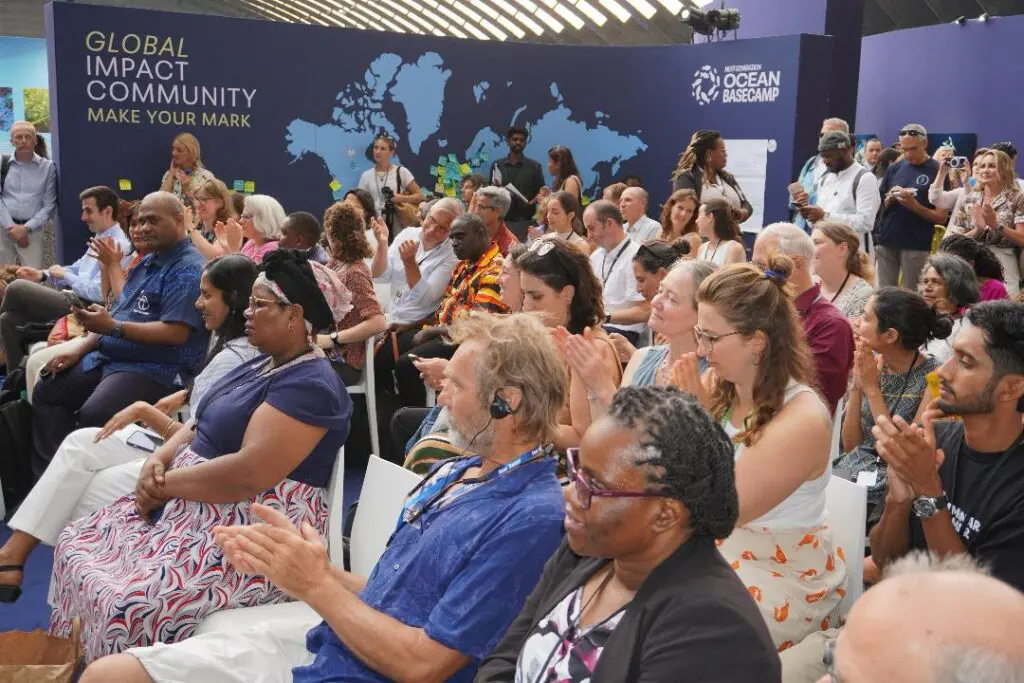
While high-level negotiations drew headlines, the real pulse of UNOC3 came from the community-led organizations and NGOs, sharing stories, shaping strategies, and demanding action.
For RISE UP, the heart of the conference wasn’t in the corridors of power, it was in whose voices were heard, whose knowledge was valued, and who got a seat at the table. Across a series of powerful events, one message came through loud and clear: solutions for the ocean must start with the people who safeguard it.
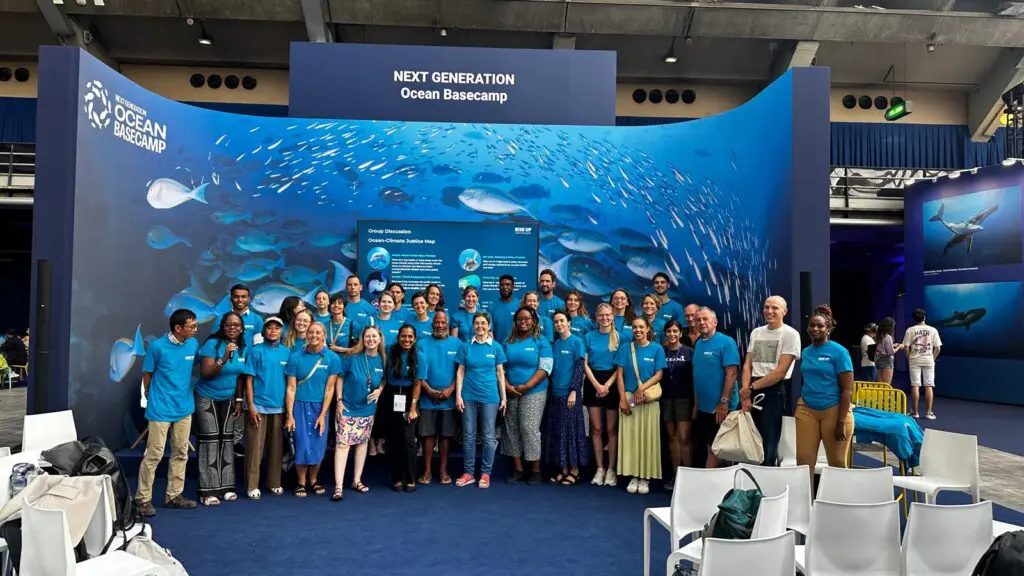
Just before the main conference began RISE UP convened over 30 members and allies at the Ocean Basecamp on 7 June. Together, they co-created a community-driven Ocean-Climate Justice Framework, shaped around six themes:
This workshop laid a strong foundation for fair and community-led ocean-climate action and gave momentum to the days ahead. RISE UP joined over 1,500 ocean supporters in the Blue March, taking to the streets of Nice in blue to demand real leadership from world governments.
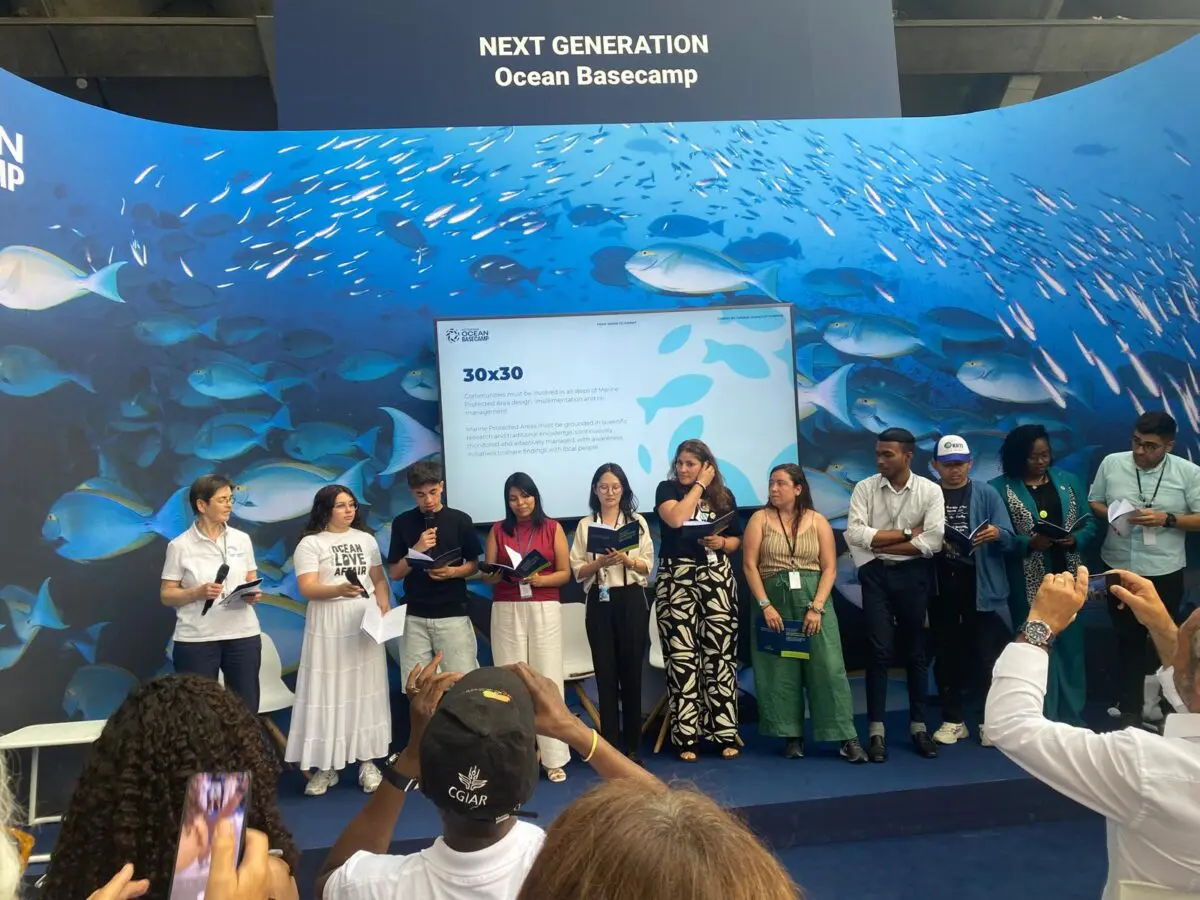
One of the most inspiring highlights of the conference came on 10 June at the Shore to Summit event in the Ocean Basecamp 89 community-led organizations from 28 countries delivered a powerful Civil Society Policy Statement, a shared call for justice, rights, and real inclusion in ocean governance.
This statement wasn’t a top-down document. It was built through months of regional dialogue and grassroots engagement under the Diving into UNOC3 initiative. With priorities like:
These were just some of the key calls outlined in the full statement, which reflects broader demands around equity, ocean-climate justice, and legal recognition of community rights.
As Divon Mwamba Programme officer at SWIOTUNA put it:
“Diving into UNOC3 has been a powerful platform to amplify civil society voices and ensure ocean policies reflect the realities and aspirations of coastal communities — their survival, identity, and livelihoods.”
The statement was later delivered again in the Blue Zone by RISE UP member OIKOS, bridging the space between grassroots calls and political decision-making.
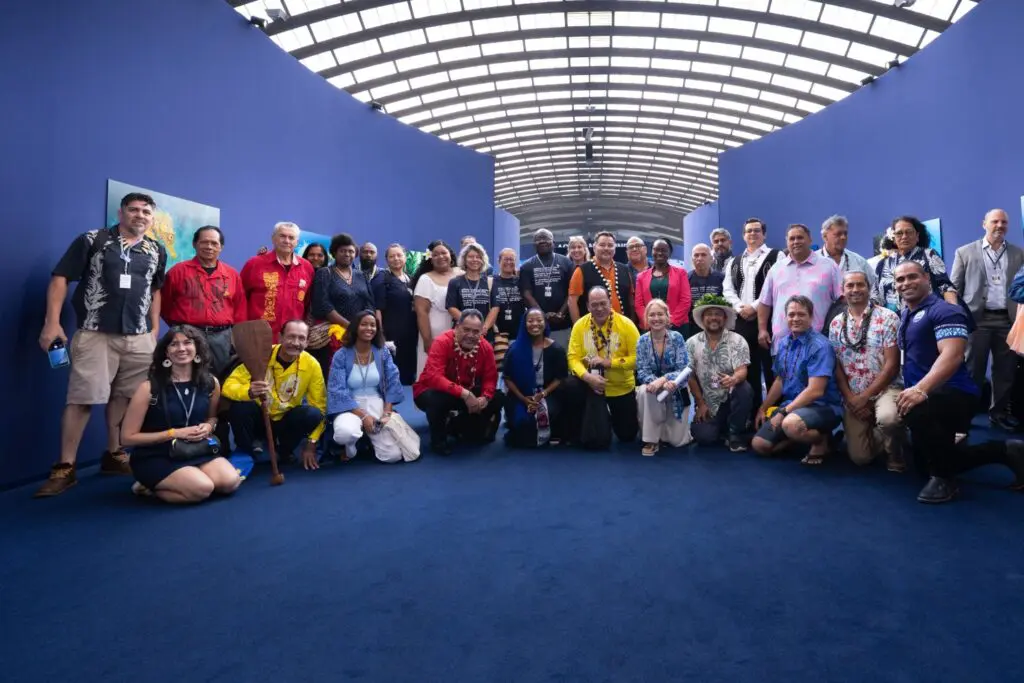
On World Ocean Day, the People of the Ocean gathering brought together Indigenous leaders, SSF representatives and community champions. From the cultural opening led by Marquesas leaders to the launch of the Pacific Call to Action, Te Reo o Te Moana, the event highlighted
Their message was clear: ocean conservation must start with those who have safeguarded it for generations.
The High Seas Treaty (BBNJ) took a major step forward at UNOC3, with real momentum building around its ratification. 50 countries have now ratified, just ten short of the 60 needed for the treaty to enter into force. Remarkably nineteen of those ratifications came during the conference itself. It was a huge and hard-earned milestone, and one worth celebrating.
But the message from civil society and Indigenous leaders was clear: ratification is only the beginning. What matters most is implementation, done right. That means putting communities at the center, especially those historically excluded from ocean governance. It means integrating traditional knowledge, ensuring transparency in marine protection, and building monitoring systems that local people actually trust and help lead.
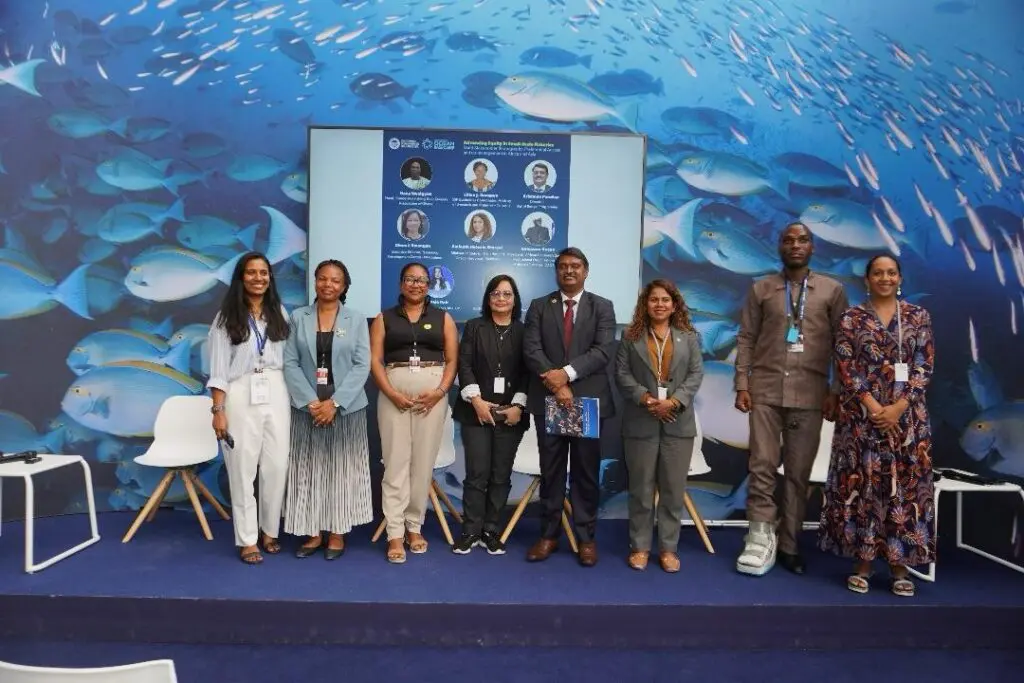
SSF leaders made their voices heard across UNOC3.At RISE UP’s side event “Advancing Equity in Small-Scale Fisheries,” Nancy Onginjo-Ramkalawan, a fisherwoman from Seychelles and president of the Seychelles Fishing Boat Owners Association, shared a powerful message:
“We’re not asking for privilege, we’re asking for our basic rights. If the goal is to protect 30% of the ocean, governments need to start by protecting the people who depend on it. Include small-scale fishers and fishworkers in the conversation.”
This message resonated: ocean goals like 30×30 cannot succeed without the full participation and inclusion of those communities whose lives and livelihoods directly rely on the ocean.
Real commitments followed:
Earlier in the week, some of these same leaders brought their demands to the press, watch it here.
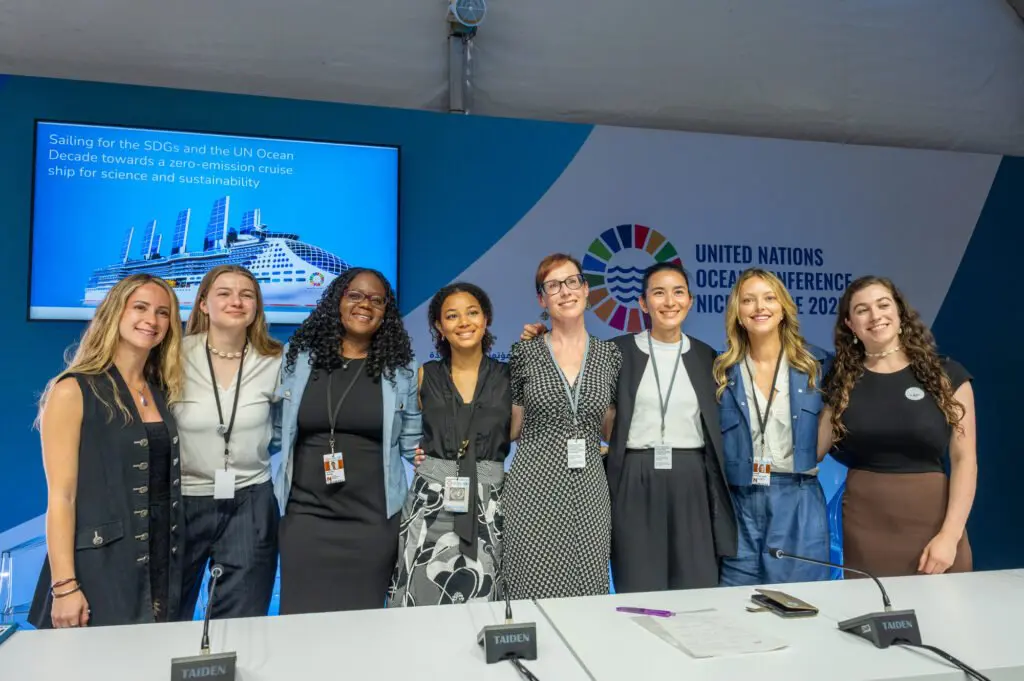
Youth engagement at UNOC 3 was vibrant, visible and grounded in action. Young leaders from around the world brought critical perspectives and bold demands to the forefront, advocating for a moratorium on deep sea mining, equitable stakeholder inclusion, and urgent financing for ocean–climate solutions. From formal plenaries to side events and grassroots-organized sessions, youth were not just present, they were leading. Organizations such as Sustainable Ocean Alliance, EarthEcho International and others helped ensure that youth were positioned at the forefront of the conference.
RISE UP also played an active role across several youth-focused panels, spotlighting priorities from the Global South, particularly those of Small Island Developing States (SIDS), and amplifying calls for inclusive, rights-based ocean governance. A key highlight of the week was the official Blue Zone side event “Mobilizing Youth and ECOPs: Showcasing Initiatives for Ocean Action”, co-hosted by Peace Boat and supported by Member States including Kiribati, Chile, Palau, Greece and the Dominican Republic. The standing-room-only session brought together early career ocean professionals, youth leaders, and high-level government representatives to explore the critical role of young people in ocean action. The launch of the Coalition of Emerging Ocean Leaders (CEOL) and the participation of diverse youth-led organizations underscored a shared commitment to intergenerational collaboration. Events like these remind us that youth are not the voice of tomorrow, they are shaping the course of ocean action today.
While community-led organizations raised their voices and shared powerful calls for justice, governments at the 2025 UN Ocean Conference also stepped up with a series of major commitments to protect the ocean and ensure more sustainable management.
The 2025 UN Ocean Conference reminded us that protecting our ocean is ultimately about people, the coastal communities, small-scale fishers, and Indigenous peoples who are closest to the sea and most impacted by ocean decisions.
Their voices must not only be heard but respected and acted upon. UNOC3 brought real progress and renewed energy, but much remains to be done. Funding gaps and barriers to participation persist. SDG 14 remains the least funded of all the Sustainable Development Goals. And communities are still waiting for justice.
The science and knowledge are clear and so are the solutions. Policy must now rise to meet both the urgency of the crisis and the lived realities of those who care for the ocean every day. To build truly just and inclusive ocean governance, we must break down the barriers that continue to hold people back and act on the wisdom of those closest to the ocean.
Sign up to our Navigator newsletter for the latest on ocean justice, policy, and civil society action