

A blog by Karen Sack, Executive Director, ORRAA, Wednesday 29 November 2023
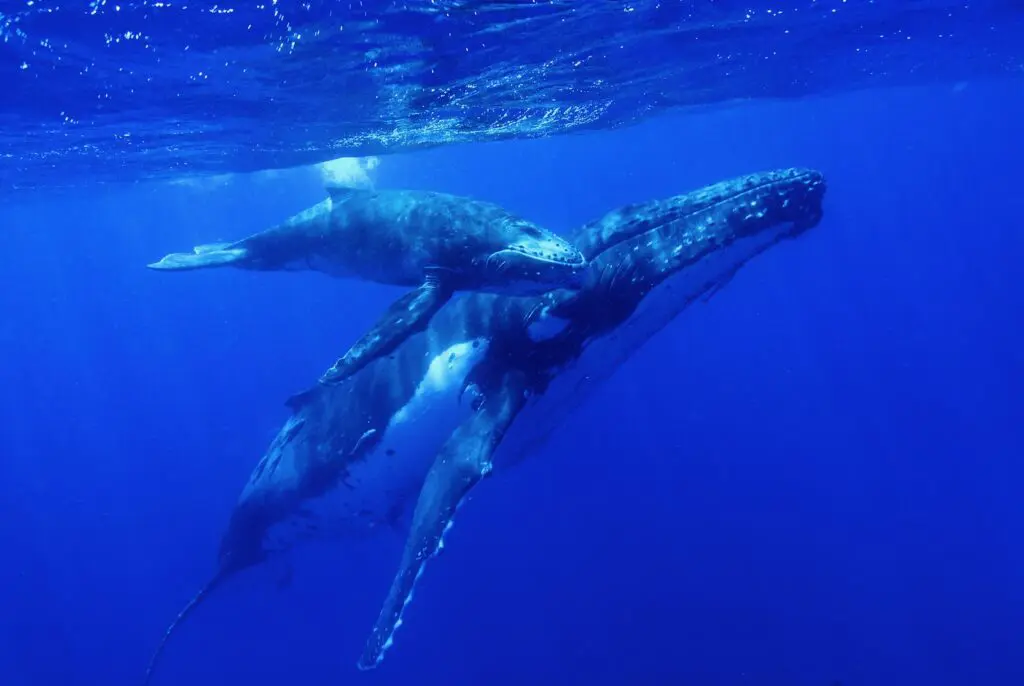
2023 is on track to be the hottest year on record. This July, average daily global sea surface temperatures hit their hottest ever recorded temperature – 20.96 °C (69.73 °F) – as the Ocean soaked up the atmospheric heating generated by climate change.
These statistics may no longer be surprising, but that does not diminish their serious and significant implications – the impact of ocean heating in a changing climate cannot be overemphasized. It significantly impacts marine life, food security, the liveability of cities, the viability of coastal communities and their economic, social, and cultural continuity, stranded assets, migration, and global resilience.
The Ocean has absorbed more than 90 per cent of the heat caused by our greenhouse gas emissions. Without it, average temperature on land last year would have been a lethal 50 ºC (122 °F) – the temperature at which human cells begin to degrade. We can all thank the vastness of the Ocean for the fact that, instead, average terrestrial temperatures were just 13 ºC (55 ºF) – though this year, this has been measured at rising to 17°C.
Our Ocean is now reeling from this burden.
Fundamental planetary system tipping points, like the melting of the polar ice sheets and the survival of biodiversity-rich coral reefs, hang in a precarious balance.
Overfishing from industrial fishing has decimated fish populations and further eviscerated marine biodiversity, and pollution from plastics and other sources is not only killing sea-life but is poisoning the food which makes it back to our own dinner plates.
Yet, despite all this, UN Sustainable Development Goal (SDG) 14: Life Below Water, is the least invested in of the 17 SDGs. Less than 1% of climate finance is directed towards the Ocean, despite the overwhelming evidence that investing in coastal and ocean resilience is a strategic climate solution – and plain common sense. Coastal and ocean Nature-based Solutions (NbS) are hiding in plain sight and offer cost-effective investments that build coastal resilience and reduce risk – but we cannot implement these solutions without widespread international support as well as community buy-in.

Now, witnessing rapid and unprecedented heating across the world’s largest biome (the Ocean), as well as on land, we have to make COP28 the climate summit which delivers decisive and comprehensive action. The stakes have never been higher – if we give up on the Paris target of limiting atmospheric warming to 1.5ºC, then we risk irreversibly crossing tipping points. We won’t have to imagine a world in which global sea level rises flood every coastal city on Earth – it will be our collective reality.
COP28 offers a pivotal moment to build upon global commitments to implement climate action that recognizes the critical role of the Ocean in climate regulation, as well as in delivering adaptive and resilient NbS. Mitigation, adaptation, resilience, and regeneration – core discussion points for this year’s COP28 – require significantly scaling sustainable finance and investment into blue nature.

That is just what the Ocean Risk and Resilience Action Alliance (ORRAA) is working to address; not just to bring about change, but to pioneer it. We are the only multi-stakeholder alliance working in ocean finance across geographies – with a focus on the Global South – to develop, pilot and scale innovative finance products that invest in coastal and ocean resilience.
Our mission is to build the resilience of 250 million climate vulnerable coastal people by 2030, by deploying at least USD$500 million of investment into coastal and ocean natural capital through the development of at least 50 novel finance and insurance products.
We are encouraging our more than 80 member organizations, including banks, insurers, multi-lateral institutions, civil society, and countries, to support the delivery of five key ocean-climate outcomes at COP28:
The successful implementation of these five actions would strengthen the resilience of coastal communities, and lead to comprehensive ocean and coastal regeneration.
At COP28, we can accelerate our race to global resilience. But we are racing against the clock; the choices we make over the two-week summit will reverberate for two hundred years. The Ocean has always been our protector, insulating us from a warming atmosphere, and it is past time for us to repay the favor.
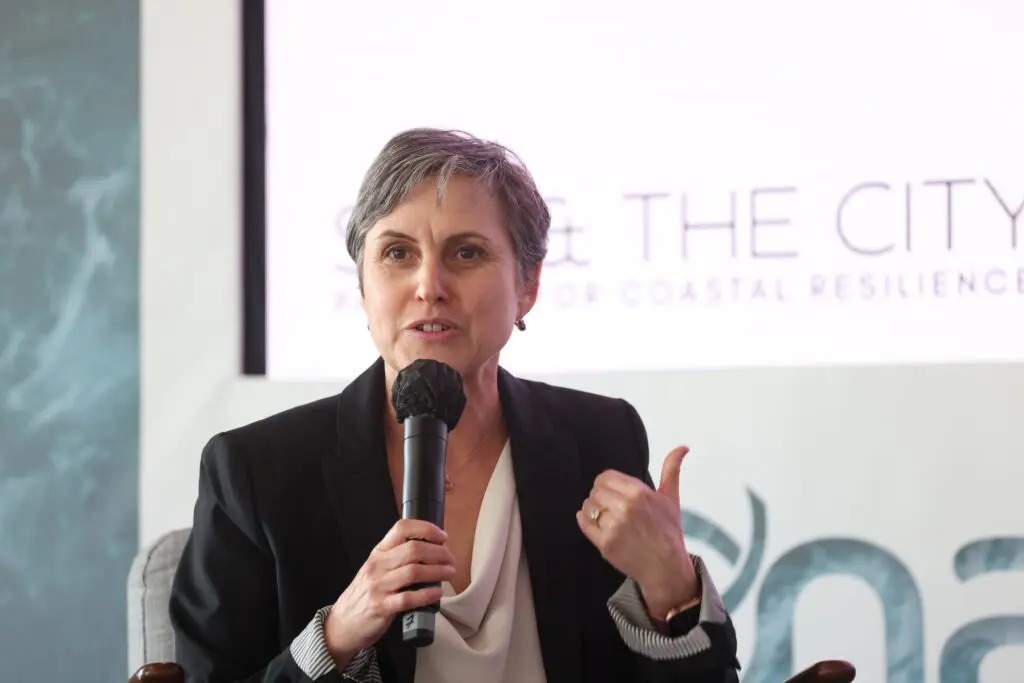
Karen Sack
Executive Director, Ocean Risk and Resilience Action Alliance (ORRAA)
Karen is a co-founder and Executive Director of the Ocean Risk and Resilience Action Alliance (ORRAA), a unique multi-sector collaboration between the private sector, governments and civil society designed to build resilience in the regions and communities most vulnerable to ocean risk, by pioneering finance and insurance products that incentivize investment into nature-based solutions. She has spent her career working on ocean conservation, advocacy and policy and has spoken and written extensively on ocean conservation, climate and sustainable finance.