
By Khadija Stewart
The future of our ocean is hanging in the balance. The recent 30th Council meeting of the International Seabed Authority (ISA), held recently in Kingston, Jamaica, brought this reality into sharp focus. The gathering drew a powerful mix of voices, scientists, Indigenous leaders, youth advocates, civil society organizations, and states, clashing over a critical question: Why rush to open the deep sea, Earth’s final frontier, to reckless industrial exploitation? While some states pushed for rapid mining regulations, others joined in urgent calls for restraint, deeper understanding, and unwavering protection.
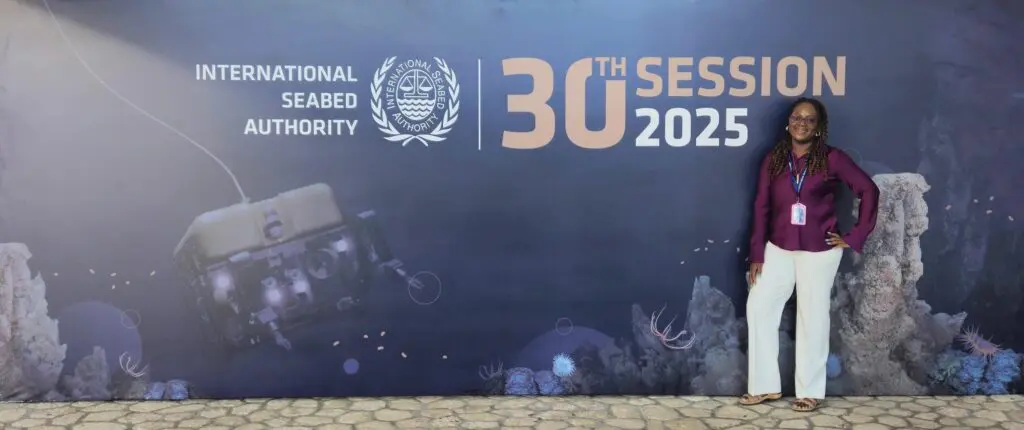
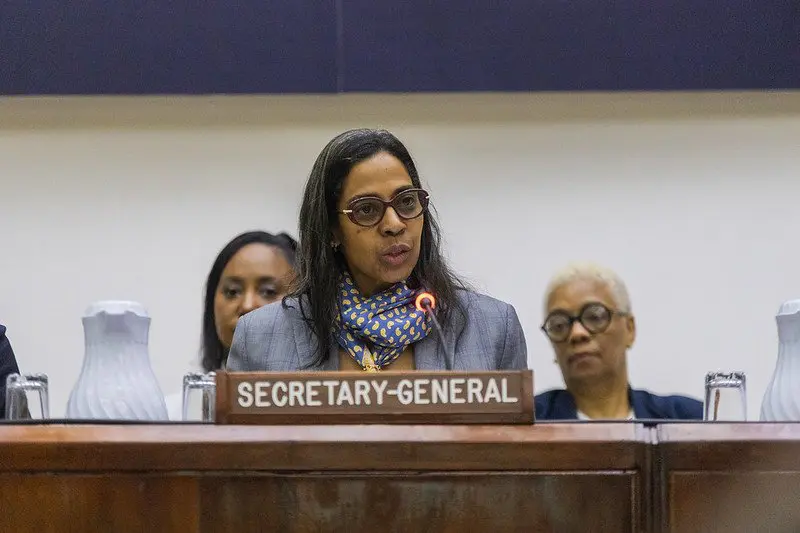
The meeting, chaired by newly appointed Secretary General Leticia Carvalho, saw robust participation from various stakeholders. As RISE UP’s new Senior Campaigner, I joined the TBA 21 delegation on the ground to advocate for stronger protections – both environmental and cultural. . Despite a vocal push by some States to fast-track mining regulations, the prevailing tone was of caution.
Some key developments included:
A significant flashpoint emerged when The Metals Company (TMC) made a groundbreaking announcement, revealing plans to leverage the United States to fast-track mining in international waters. This bold move aimed at dismantling international law and bypassing the ISA’s regulatory framework provoked immediate backlash.
Secretary General Leticia Carvalho responded firmly, condemning TMC’s actions as a violation of international law that undermines multilateralism and threatens the global governance framework established under UNCLOS. Several countries , including France, Ireland, Costa Rica, and even some who have previously supported mining, emphasized that the ISA is meant to serve as a regulator, not a mere rubber stamp for corporate interests.
Alongside the formal negotiations,a series of side events hosted by various organizations provided alternative perspectives and encouraged deeper public engagement on the issue. While several events organized by contractors focused on promoting DSM, they generally saw lower attendance and less enthusiasm.
Here are some of the standout events::
I have been attending the ISA meetings for the past three years, starting in July 2022, and I can confidently say that I have witnessed a drastic shift in the nature of conversations and the proceedings of these meetings. A few years ago, the word “moratorium” was almost taboo, rarely welcomed or promoted. Yet, today we have at least 32 countries either calling for a moratorium, precautionary pause, or outright deep-sea protection. Conversations have expanded beyond the narrow focus of economic exploitation to increasingly include issues of culture, the environment, and the rights of future generations.
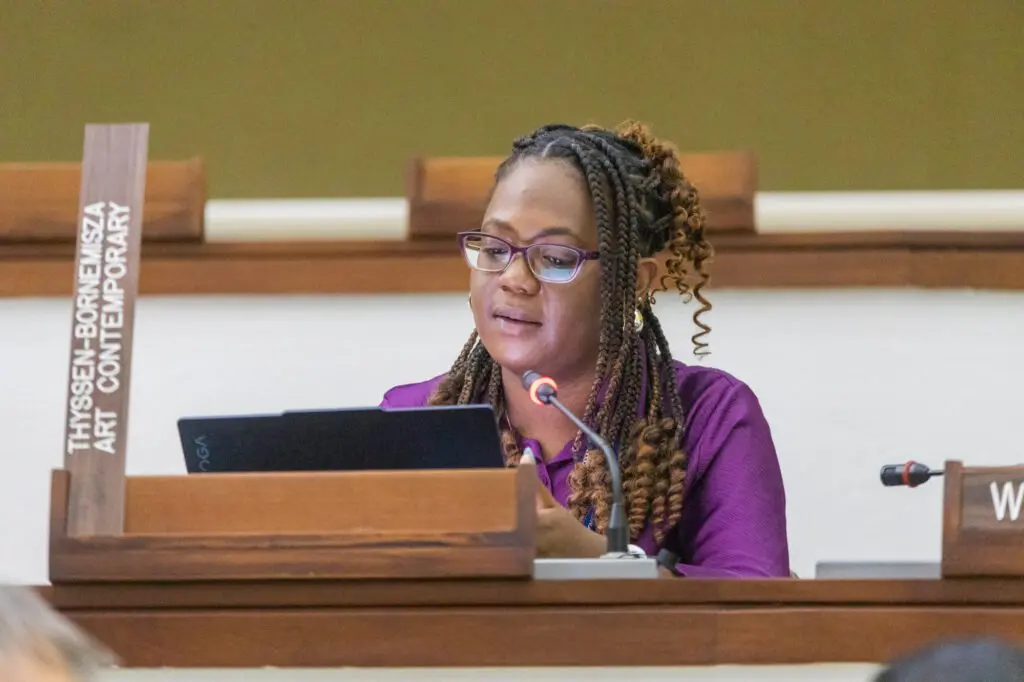
During this meeting, I had the opportunity to give an intervention, emphasizing the importance of integrating cultural heritage within the ISA’s decision-making processes. However, one concerning trend remains: despite these progressive discussions, there are still statements being made that presume deep-sea mining will eventually begin . This assumption is alarming given the significant gaps in scientific knowledge, cultural considerations, and environmental safeguards.
While the ISA Council meeting was a crucial step, the real battle is far from over. The upcoming Council meeting in July will be decisive, as pro-mining forces are expected to intensify their push for exploitation while resistance against DSM continues to grow.
The deep sea is a vital part of our planet’s life support system, and its exploitation could have catastrophic consequences for biodiversity, climate resilience, and cultural heritage. Our fight to protect it continues.
Stay tuned for more updates and calls to action.