
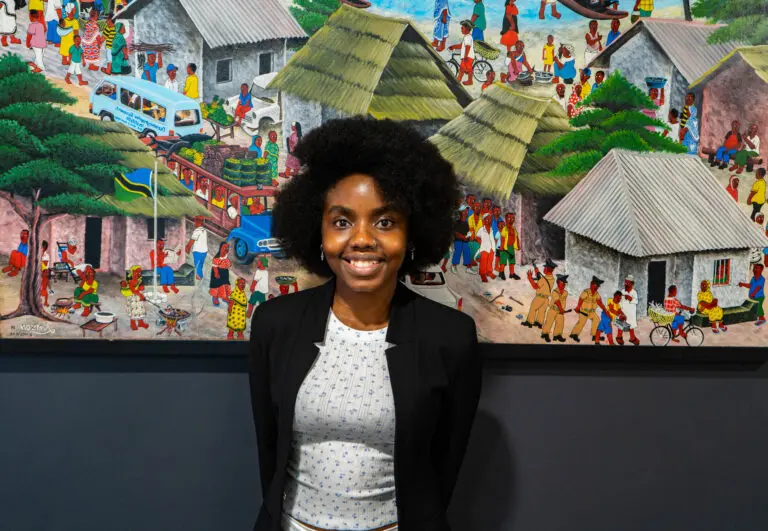
1. How did Youth4MPAs begin, and how did you get involved?
Youth4MPAs was established in 2018 as a youth-led initiative, created by young people for young people. It advocates for the proclamation and expansion of Marine Protected Areas (MPAs) in South Africa while giving young people the opportunity to get involved in marine conservation. What started as a small group of passionate ocean advocates has grown into a nationally and internationally recognized network, bringing together students, graduates, community activists and early-career conservation practitioners across Durban, Cape Town, and Gqeberha.
I first came across Youth4MPAs while I was completing my Honours in Marine Biology. I started following the work they were doing, and it really stood out to me. Their focus on youth-led conservation and creating awareness about our oceans was something I connected with, and I knew I wanted to be part of it. I applied to join the initiative, and today I have the privilege of serving as the Chairperson of Youth4MPAs.
As Chairperson, I help guide the team and make sure the work we do stays true to our mission and vision. I also support our projects and help create opportunities for young people to get involved in marine conservation and have their voices heard.
2. What’s your connection to the ocean, and how does this drive the work you do?
My connection to the ocean started at a young age, even though I grew up in Pietermaritzburg, South Africa, which is a bit further from the coast.
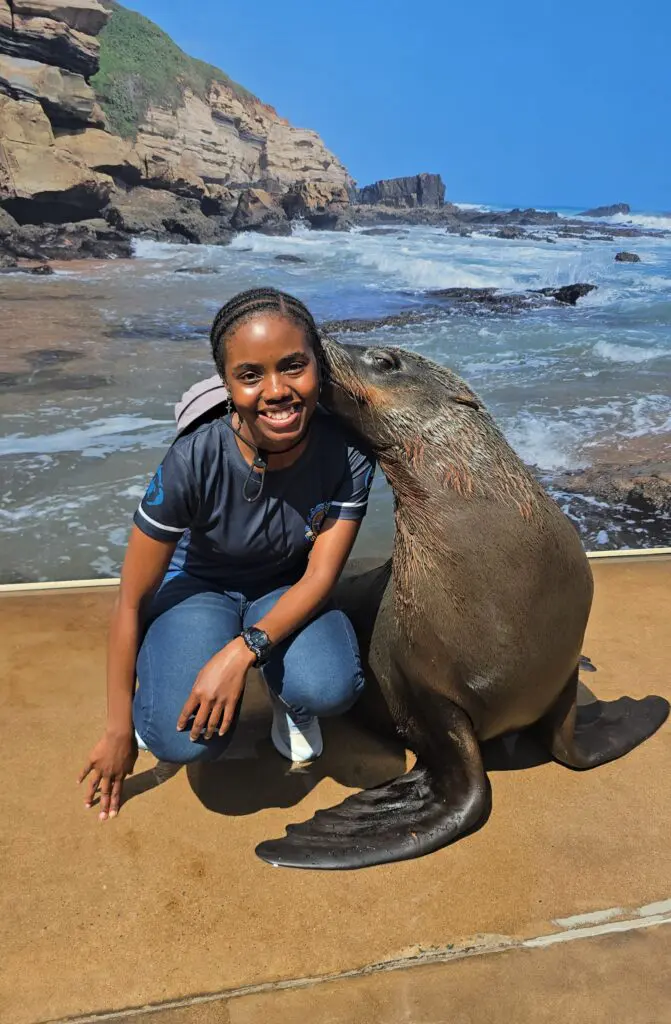
Whenever I visited my cousins in Durban, spending time at the beach sparked my curiosity about the marine environment. I still remember being stung by a jellyfish. Rather than being scared, I became fascinated and wanted to understand ho
w it was able to sting me. I later learnt about nematocysts, and that moment sparked my curiosity about marine life.
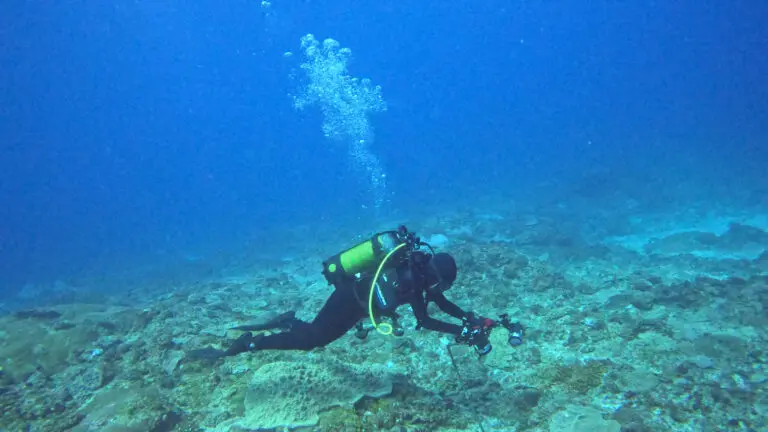
That curiosity is what led me to study Marine Biology. I completed both an undergraduate degree and Honours in Marine Biology, and I am now pursuing my Master’s. My research focuses on understanding how space, depth and time influence sessile benthic communities in Aliwal Shoal, KwaZulu-Natal.
As I have progressed through my studies, I realized that opportunities in this field aren’t always accessible to everyone. That’s what drives the work I do today. I want to make marine science more accessible, whether you’re a scientist, a student or someone from the broader community with an interest in the ocean.
I also believe that protecting our oceans requires more than just science. It requires listening to different perspectives, working with communities, and bringing people together. That’s what continues to motivate me in both my research and my work with Youth4MPAs.
3. Can you tell us about a couple of specific projects or actions Youth4MPAs has been working on recently? Are there some successes you’d like to share?
Earlier this year, in January, the Youth4MPAs team hosted a High Seas Treaty Awareness Workshop and Promenade Walk. The workshop unpacked what the High Seas Treaty is, why it matters and the important role MPAs play in turning this global agreement into meaningful action.
It gave people the opportunity to ask questions, share ideas and better understand why protecting biodiversity beyond national boundaries matters.
Another highlight was being invited by the Sustainable Ocean Alliance (SOA) Tanzania to speak during their webinar on African Youth Leadership in the 30 by 30 Leadership. It was a great opportunity to share some of the work we’re doing in South Africa, while also learning from other young people across Africa who are driving change in their own communities.
4. Why do you think having Youth voices represented in Marine Conservation is vital?
Africa is the world’s youngest continent, with more than 60% of the population under the age of 25. Yet, young people are still largely absent from the spaces where decisions about our ocean future are made. If we’re going to inherit the consequences of today’s decisions, then we should also have a voice in shaping them. That’s why youth representation in marine conservation is so important.
Young people are already making a difference. Through our work at Youth4MPAs, I’ve seen how youth can raise awareness and encourage positive environmental behavior.
One example is the Maziwe 30×30 Campaign, where young people helped raise awareness about the importance of protecting marine ecosystems and contributed to greater awareness of the 30×30 target among coastal communities. The campaign helped connect local concerns with global biodiversity commitments.
Another campaign is the Only This Much Campaign, which highlighted that only 0.4% of South Africa’s ocean was protected in 2019. Young people played a key role in raising public awareness and building support for increased ocean protection. That collective advocacy contributed to the expansion of South Africa’s Marine Protected Areas, increasing protection from 0.4% to 5.4%.
These campaigns show that young people are not just the future of marine conservation. We are already making a difference today. That’s why it’s so important that youth voices are represented in marine conservation and included in the decisions that shape the future of our oceans.
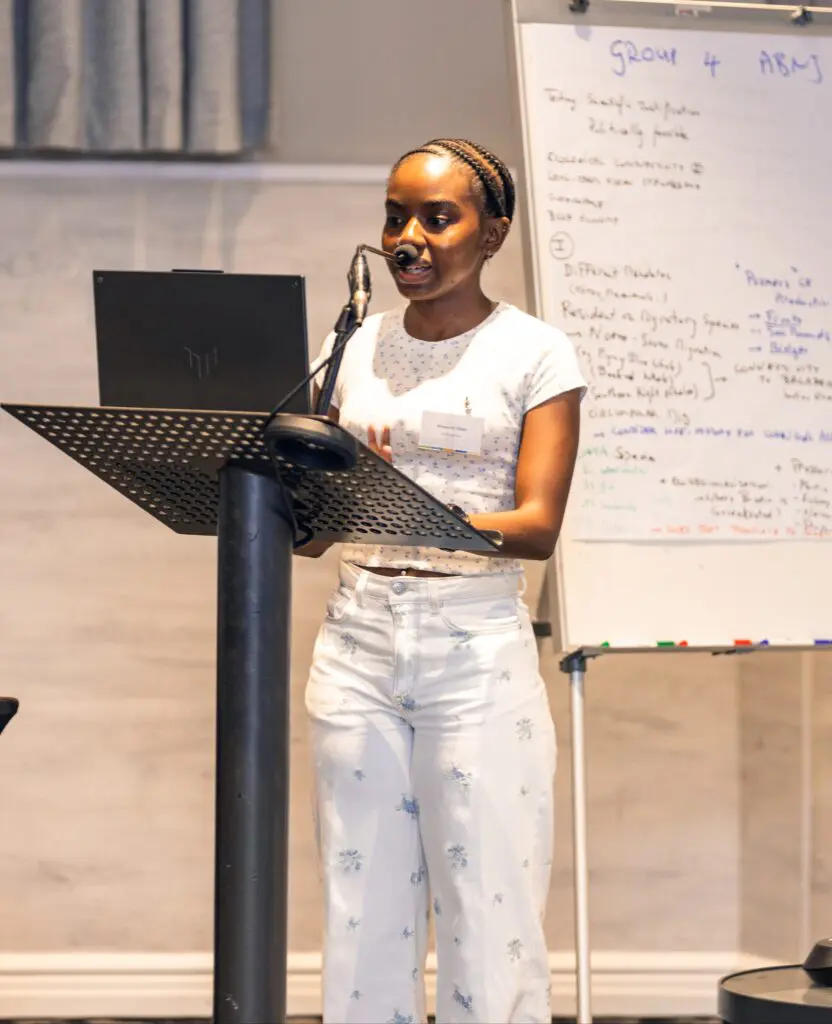
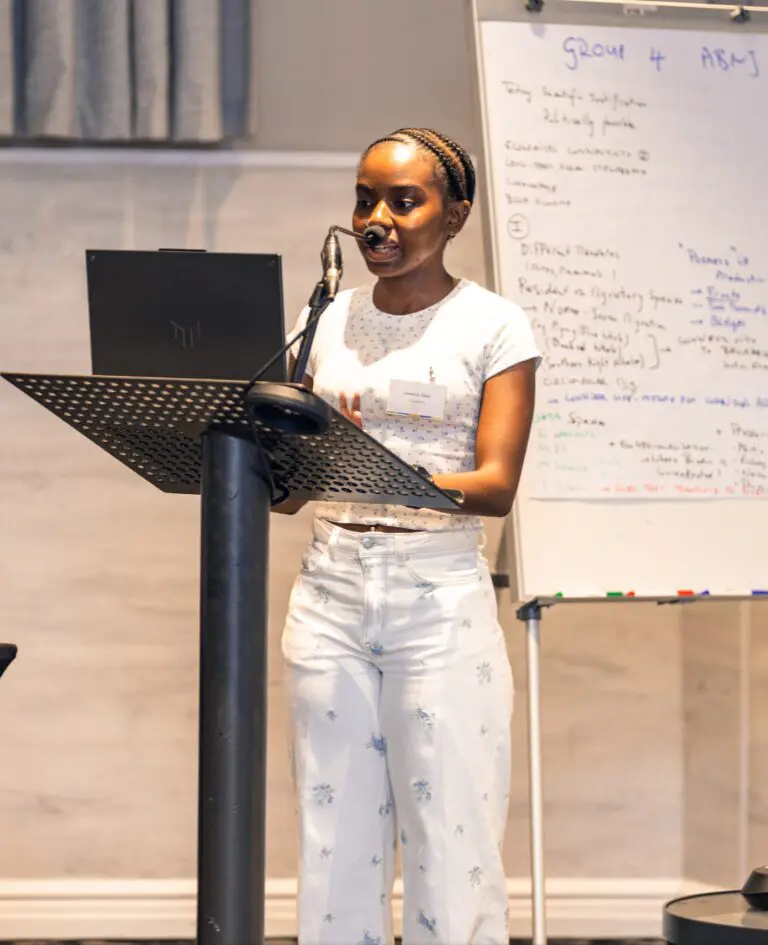 5. We saw you speak at the Our Ocean Conference in June, and you held such a presence during the event (Making 30×30 Work: Community-Led Marine Protection Across Africa). What advice would you give to other young people to help step up on stage and embrace public speaking?
Public speaking is like any other skill. The more you do it, the more comfortable you become. It definitely isn’t easy, and I still get nervous before every talk I give.
There’s a saying that has always stuck with me, “if something doesn’t scare you a little, you’re probably not growing’’. I think that’s especially true when it comes to public speaking. Being nervous usually means you’re stepping outside your comfort zone, and that’s where growth happens.
I’ve learnt that I’m not there to be perfect. I’m here to share what I know, learn from others and be part of the conversation. My advice to other young people is not to shy away from speaking up, even if it’s just asking one question or sharing one idea. The more you put yourself out there, the more confident you’ll become.
6. What would you like to see change in marine protection policy over the next year, specifically in the region you’re working in?
One of the biggest changes I’d like to see is moving away from the idea that “youth are the leaders of the future.” While it’s a positive statement, I think it can unintentionally delay young people’s involvement in decision-making. I’d much rather see us recognize that youth are the leaders of today and ensure they have a meaningful role in shaping marine policy now.
I’d also like to see genuine youth inclusion. That means more than just inviting young people to participate. It means building their skills, creating meaningful opportunities to learn from experienced practitioners and making sure young people’s ideas are actually heard when decisions are made.
Another priority for me is seeing Target 22 (of the Kunming-Montreal Global Biodiversity Framework) adopted at a national level. This would strengthen the recognition of inclusive and equitable participation in ocean governance and help ensure that different voices are represented in decision-making.
Lastly, I’d like to see a shift from top-down governance to a more bottom-up approach. This was something that came through strongly during discussions at the Our Ocean Conference. Communities should have the opportunity to share their knowledge, contribute to decisions that affect them and be recognized as key partners in marine conservation.
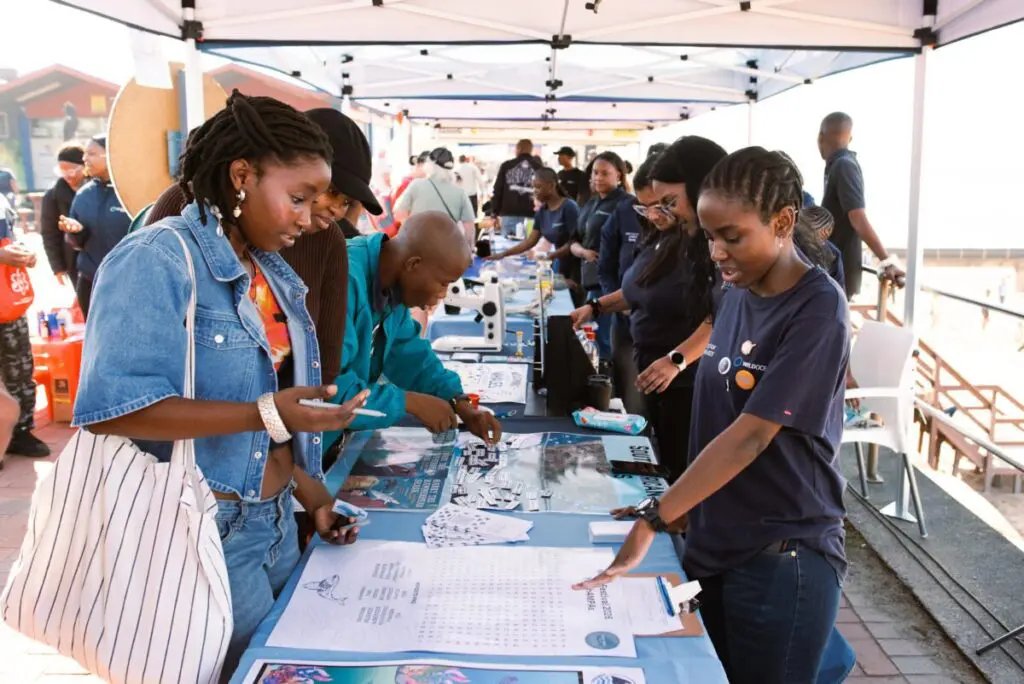
7. ‘MPA Day is happening on 1 August, to raise awareness about the critical role MPAs play in ocean conservation. What does ‘MPA Day’ mean to you personally and for your community?
For me, MPA Day is an opportunity to share my passion for the ocean with others and help people understand why MPAs matter. I believe that when people understand the value of our ocean, they are more likely to care for and protect it. It’s also a chance to inspire young people because today’s curiosity can inspire tomorrow’s ocean guardian. More importantly, MPA Day reminds me that protecting our oceans is a collective effort. None of us can do it alone.
This year Youth4MPAs will be hosting an interactive workshop called From Coastal Shores to High Seas. We’ll be exploring youth leadership in Marine Protected Areas, connecting local MPAs with future High Seas MPAs under the Biodiversity Beyond National Jurisdiction (BBNJ) Agreement, and looking at how young people can contribute to marine conservation and ocean governance.
One thing I have learnt is that people can only protect what they understand. That’s why environmental education is so important. If we can make marine science easier to understand and create opportunities for people to engage with it, then we can build stronger communities that care about protecting our oceans.